





13 October 2026
Florence
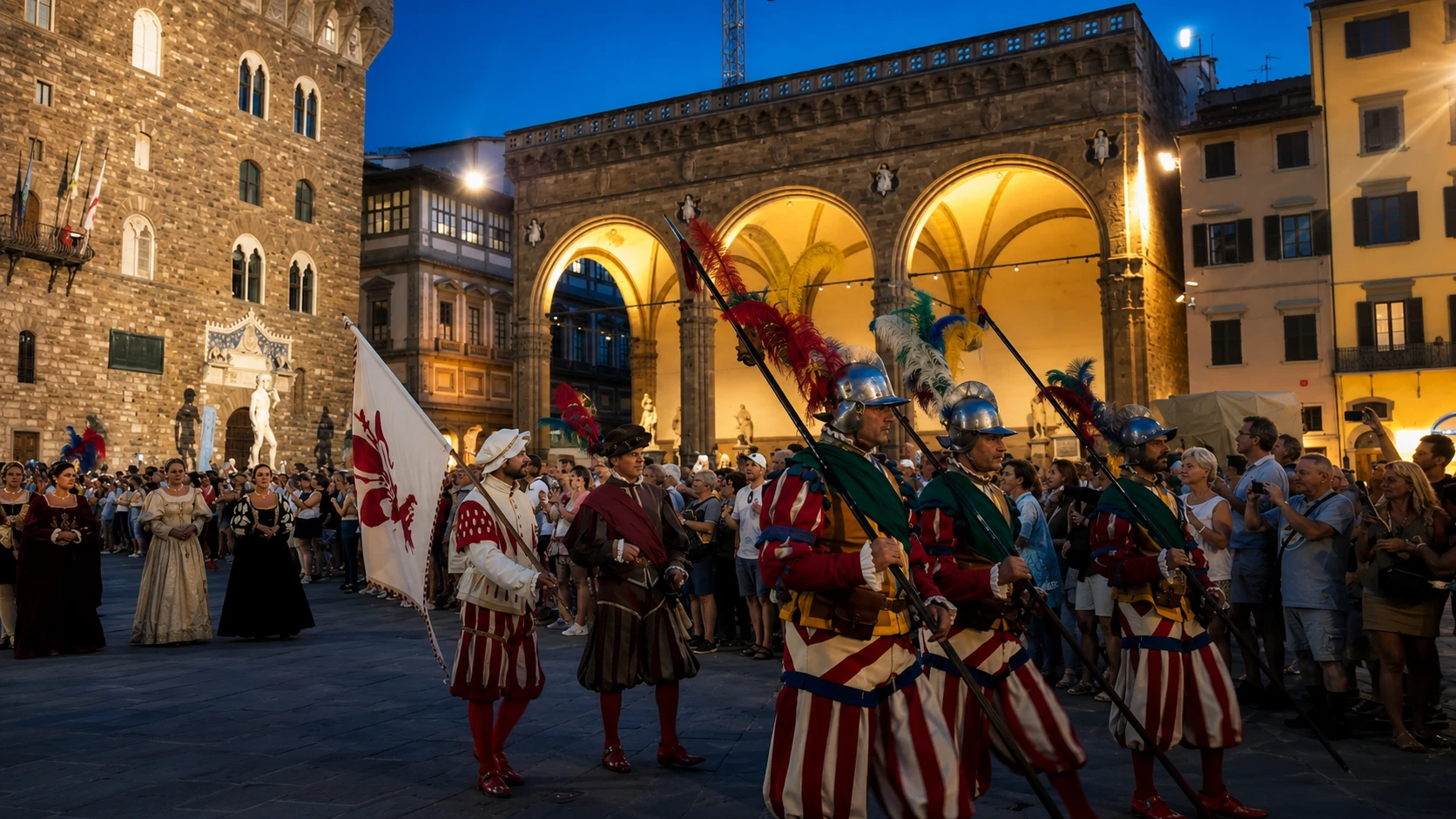
Some guests arrive in Florence with a precise list: Uffizi, Duomo, Ponte Vecchio. Others ask us, on their way back in the evening, “so what shall we do tomorrow?” We like both. Because if there is one thing we have learned over the years at Palazzo Castri 1874, it is that no two stays are alike: Florence is a city that lets itself be told in a thousand different ways, and its surroundings add a thousand more. September, with its still-long days and softer light, is perhaps the best month to explore them.
Florence on foot, starting from Piazza dell'Indipendenza
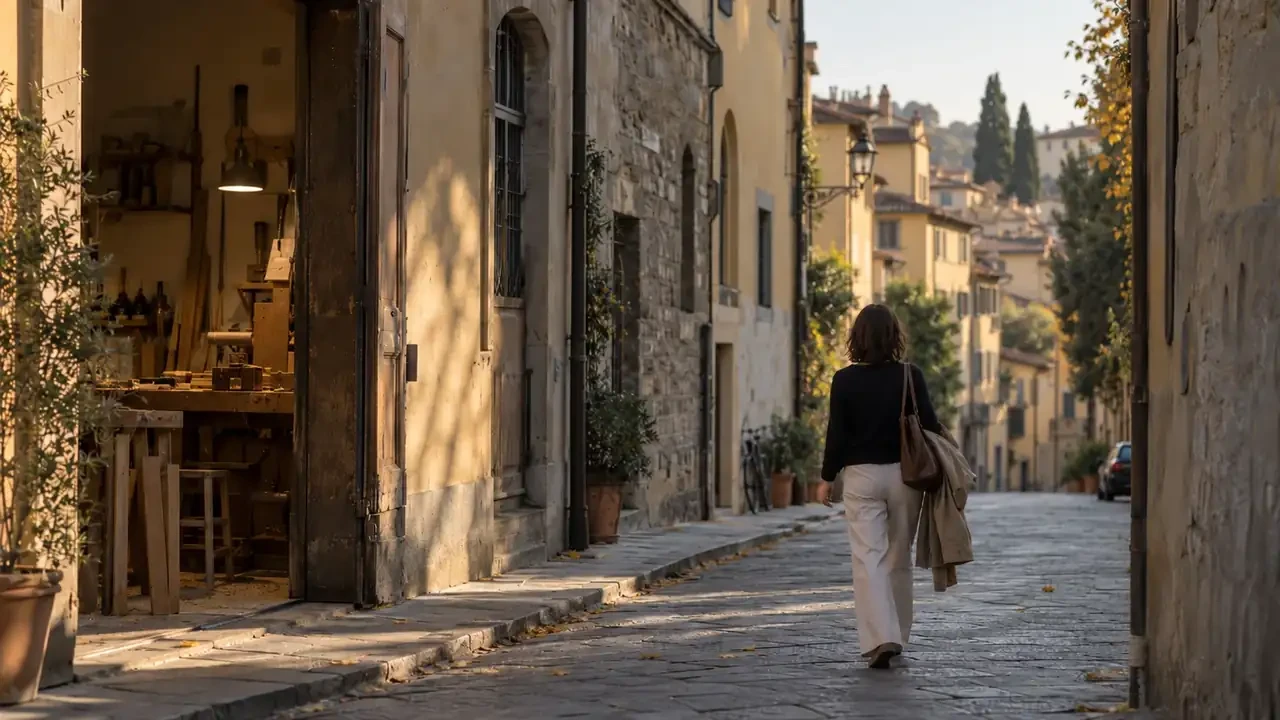
The first itinerary is the one that begins on our doorstep. From Piazza dell'Indipendenza the historic centre is a ten-minute walk: you reach the San Lorenzo market, then the Duomo, and from there everyone takes their own route. Some will not give up the great museums — and rightly so — while others prefer the less-trodden Florence: quiet cloisters, artisan workshops, churches that organised groups never touch. For the latter, we have gathered a few ideas in our article on Florence beyond the classic itineraries.
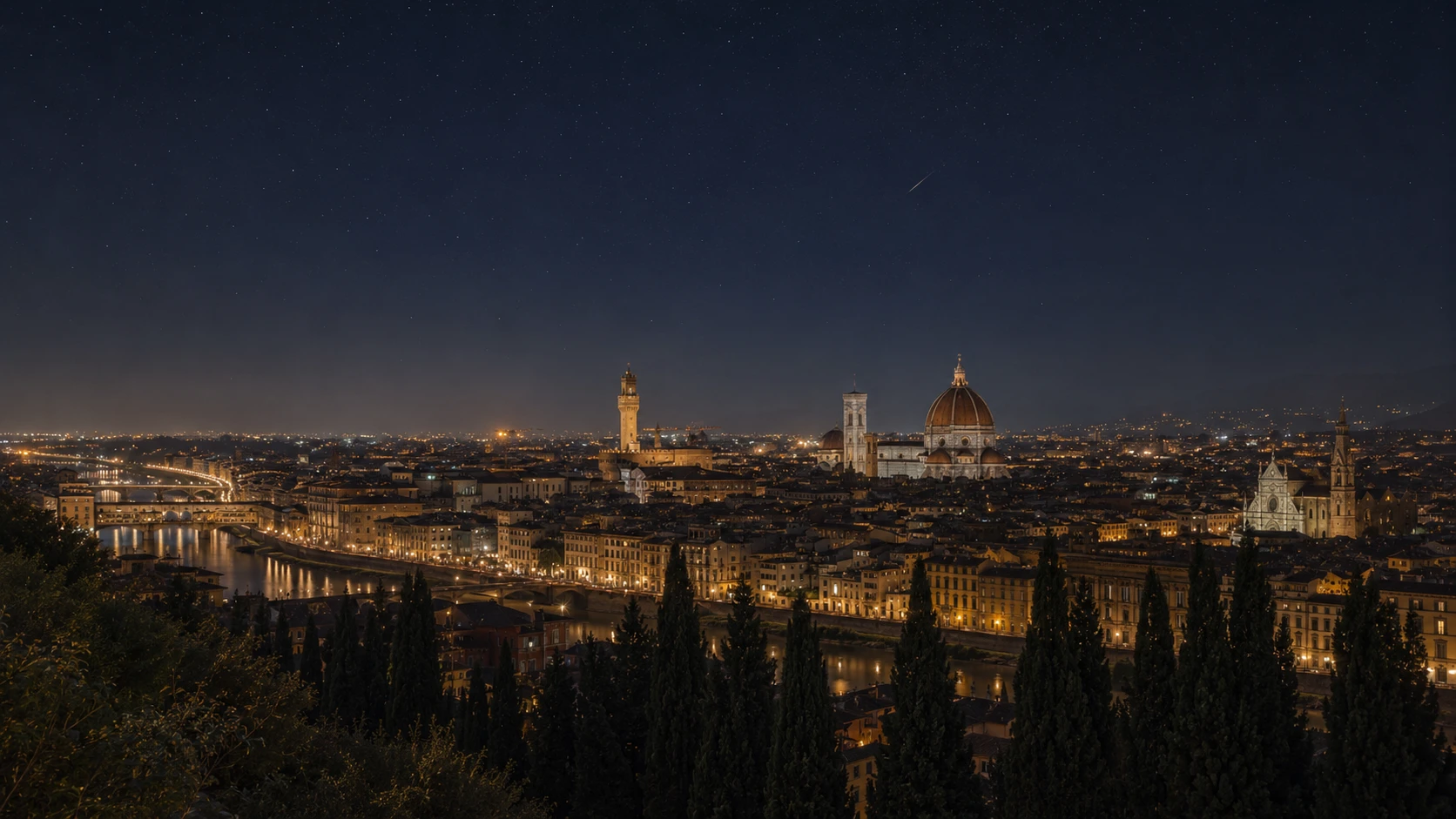
One piece of advice we often give: at least one sunset should be watched from above. San Miniato al Monte, just above Piazzale Michelangelo, remains one of the most beautiful spots in the city — and one of the few where, in the evening, you can still hear the silence.
Out of town: Tuscany begins half an hour from here
The location of Palazzo Castri has an advantage our guests discover quickly: Santa Maria Novella station is a ten-minute walk away, and with it trains and buses for half of Tuscany. Even without a car, there are plenty of possible day trips:
- Fiesole, half an hour by bus: an Etruscan-Roman archaeological site, a panorama over Florence and trattorias with a view;
- the Chianti, among vineyards, country churches and stone villages — we wrote about it in our piece on the Chiantishire, and September is harvest time;
- the Mugello, for those looking for woods, typical villages and a more secluded Tuscany;
- the medieval villages such as Certaldo or San Gimignano, reachable by train or with short connections — you will find some ideas in our article Andar per borghi.
For those who want to dig deeper, the official Visit Tuscany portal is a mine of ideas, from walking routes to the wine roads.
Tailor-made means listening
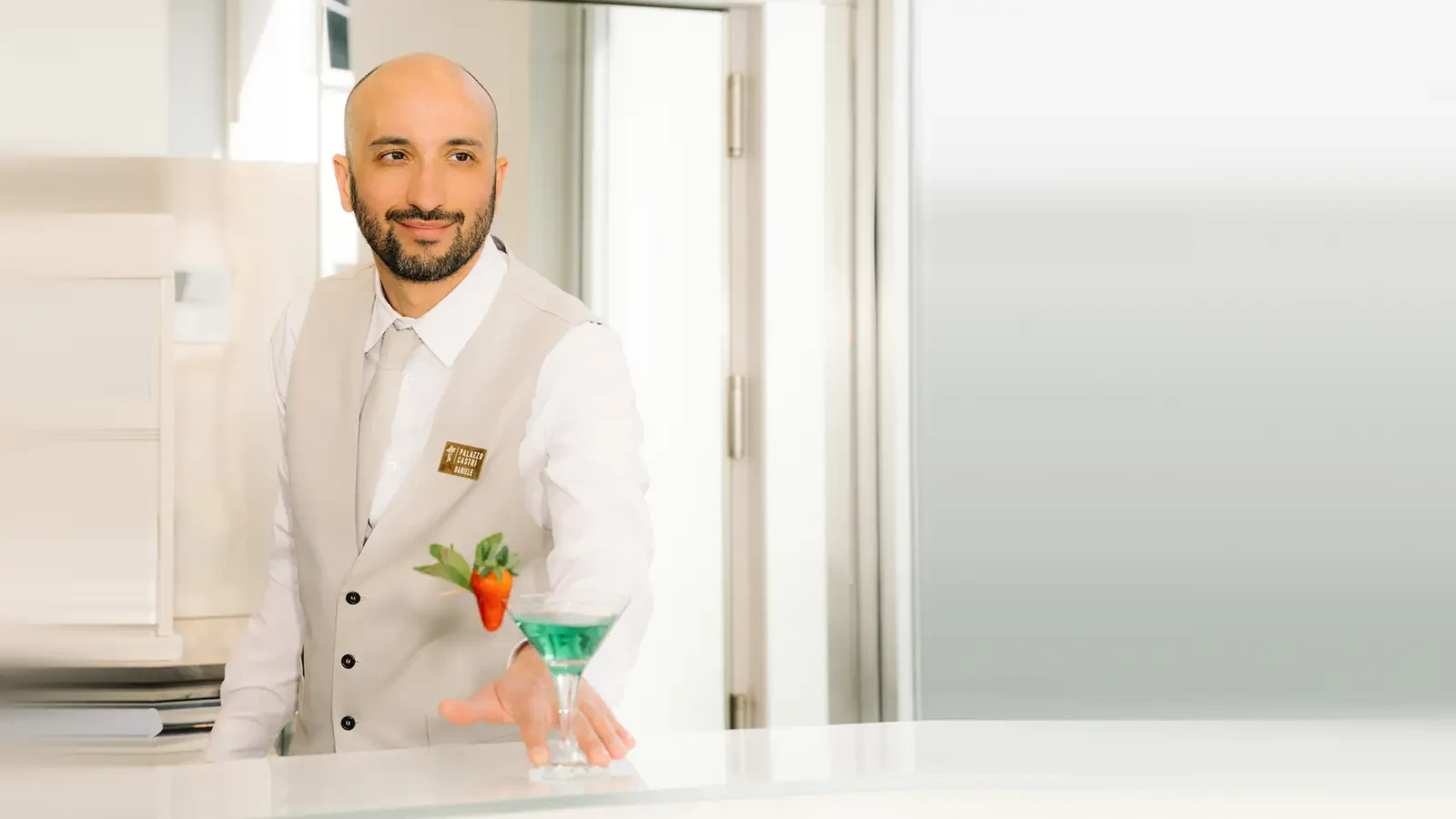
“Tailor-made” is an expression used a great deal in our industry, perhaps too much. For us it means something simple: asking questions before giving answers. How many days do you have? Are you travelling with children? Do you prefer walking or being driven? Have you already seen the Uffizi, or is this your first time? From there our staff builds the programme with you — bookings included, when needed: museum tickets, a table for dinner, a transfer, a guide for a day in the Chianti.
And then there is the rhythm, which is the part we care about most. A good itinerary is not a marathon:
- it starts well, with a breakfast taken without one eye on the clock;
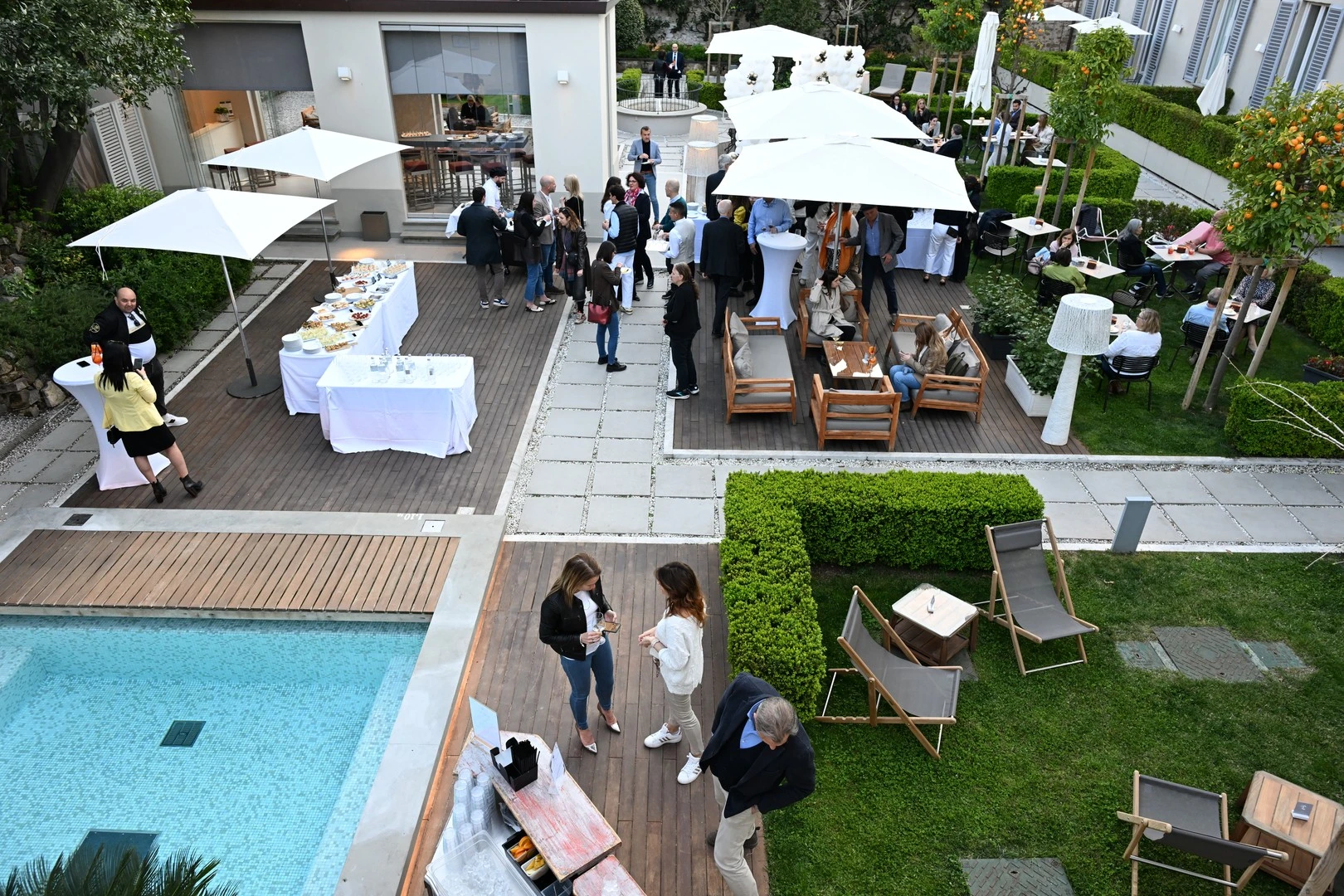
- you come back in the afternoon for a real pause — a swim in the pool, an hour in our spa, a book in the garden;
- and you head out again in the evening, when Florence changes its light and its mood — or you stay, dining in the garden with the dishes of our Florentia Cafè & Restaurant.
A thousand itineraries, one single starting point
In the end, this is what we mean by “one hotel, a thousand itineraries”: not a catalogue of excursions, but a comfortable, central and quiet starting point from which every guest draws their own Tuscany. Our rooms and suites do the rest, together with a team that lives this city every day and is glad to share it.
Thinking about a stay in Florence and its surroundings? Write to us: tell us how you imagine your trip, and we will build it together.