






13 October 2026
Florence
We know it well: Florence wins everyone over at first glance with its Duomo, the Uffizi Gallery, and Ponte Vecchio. But those who stop there miss half the story. There is a more intimate, less crowded, and deeply authentic Florence just waiting to be discovered—and we at Palazzo Castri 1874, who live in this city every day, want to tell you all about it. What follows is our personal guide to the places we recommend to our most curious guests: corners, neighborhoods, and experiences that transform a trip to Florence into something unforgettable.
The Oltrarno: the authentic heart of the city
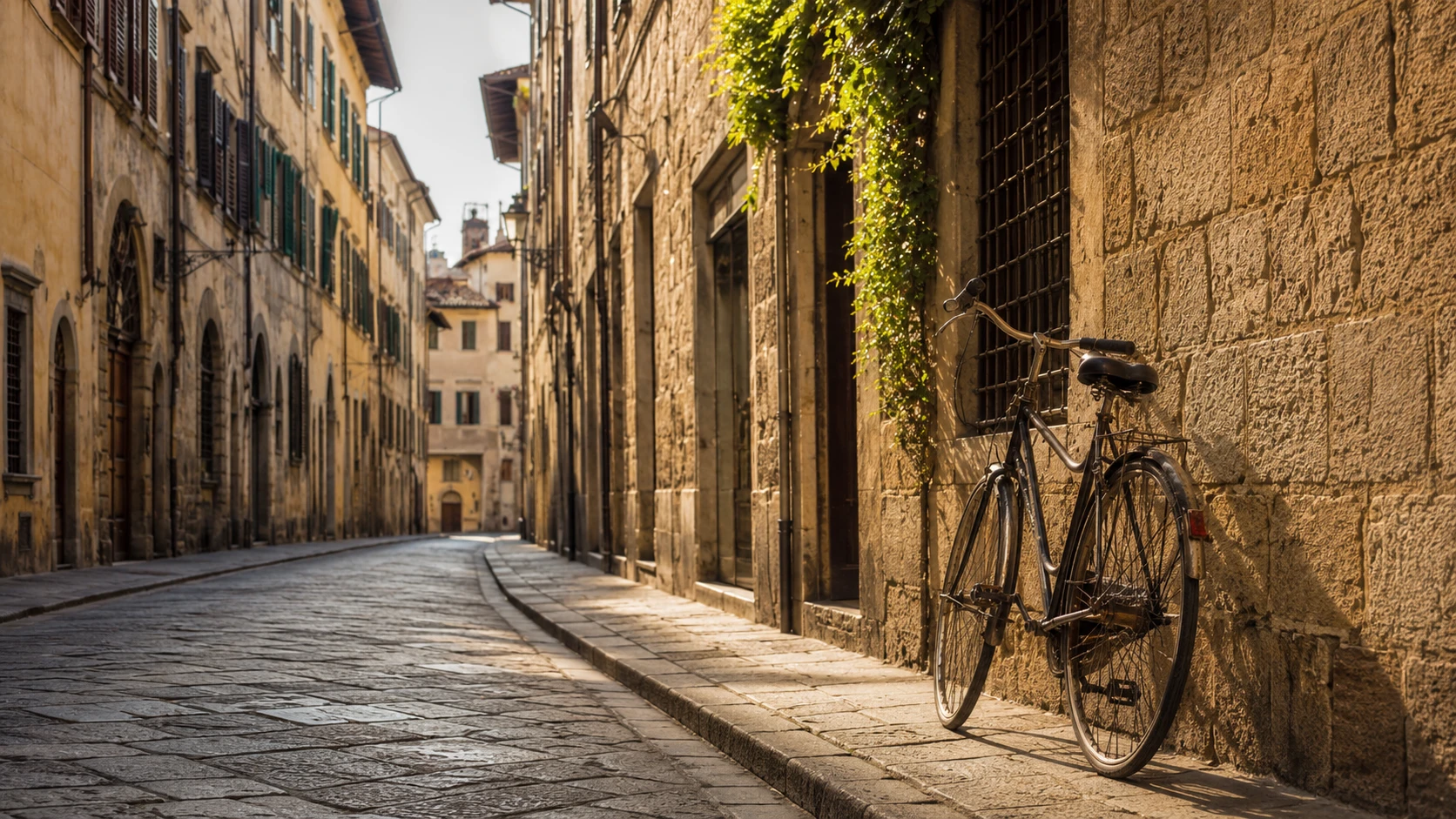
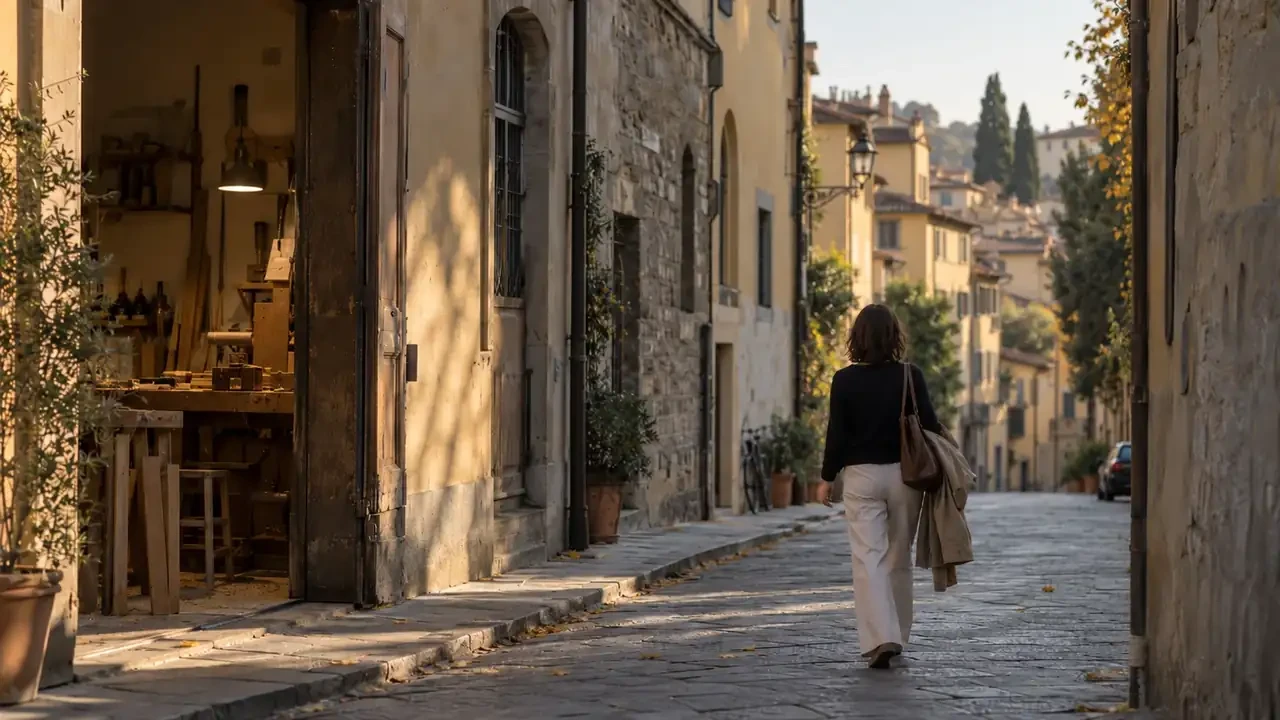
If there is one place that encapsulates the truest soul of Florence, it is the Oltrarno — or "Diladdarno," as the Florentines call it. Just cross the Ponte Vecchio and the atmosphere changes: the streets become quieter, the tourists become fewer, and in their place you encounter artisans at work, neighborhood cafes, and small squares where time seems to pass more slowly.
The San Frediano neighborhood is perhaps the purest example of this alternative Florence. Once the gateway for those arriving from Pisa and the port of Livorno, today it retains a popular and lively character that makes it irresistible. Hidden among its streets are artisan workshops that carry on centuries-old crafts: goldsmiths, furniture restorers, bookbinders, engravers. Walking along Borgo San Frediano, you can sense an authenticity that no museum can replicate.
Not far away, Piazza Santo Spirito is the living room of the Oltrarno: a place where everyday Florentine life mixes with the Renaissance beauty of the basilica of the same name, designed by Brunelleschi. In the morning, it hosts a lively market, and in the evening, it comes alive with bars and restaurants. And speaking of unmissable places, the Brancacci Chapel in the Church of Carmine houses Masaccio's frescoes, which changed the history of painting forever — yet it often remains overlooked by the large tourist crowds.
Secret gardens and hidden views
Florence is not just stone and marble: it is also a city of extraordinary gardens, many of which are surprisingly uncrowded. The Bardini Garden, for example, offers one of the most spectacular views of the city—perhaps even more beautiful than that from Piazzale Michelangelo—with the advantage of being able to admire it in peace, surrounded by wisteria, roses, and scenic stairways. In spring, the flowering of the wisteria tunnel is a sight that alone is worth the trip.
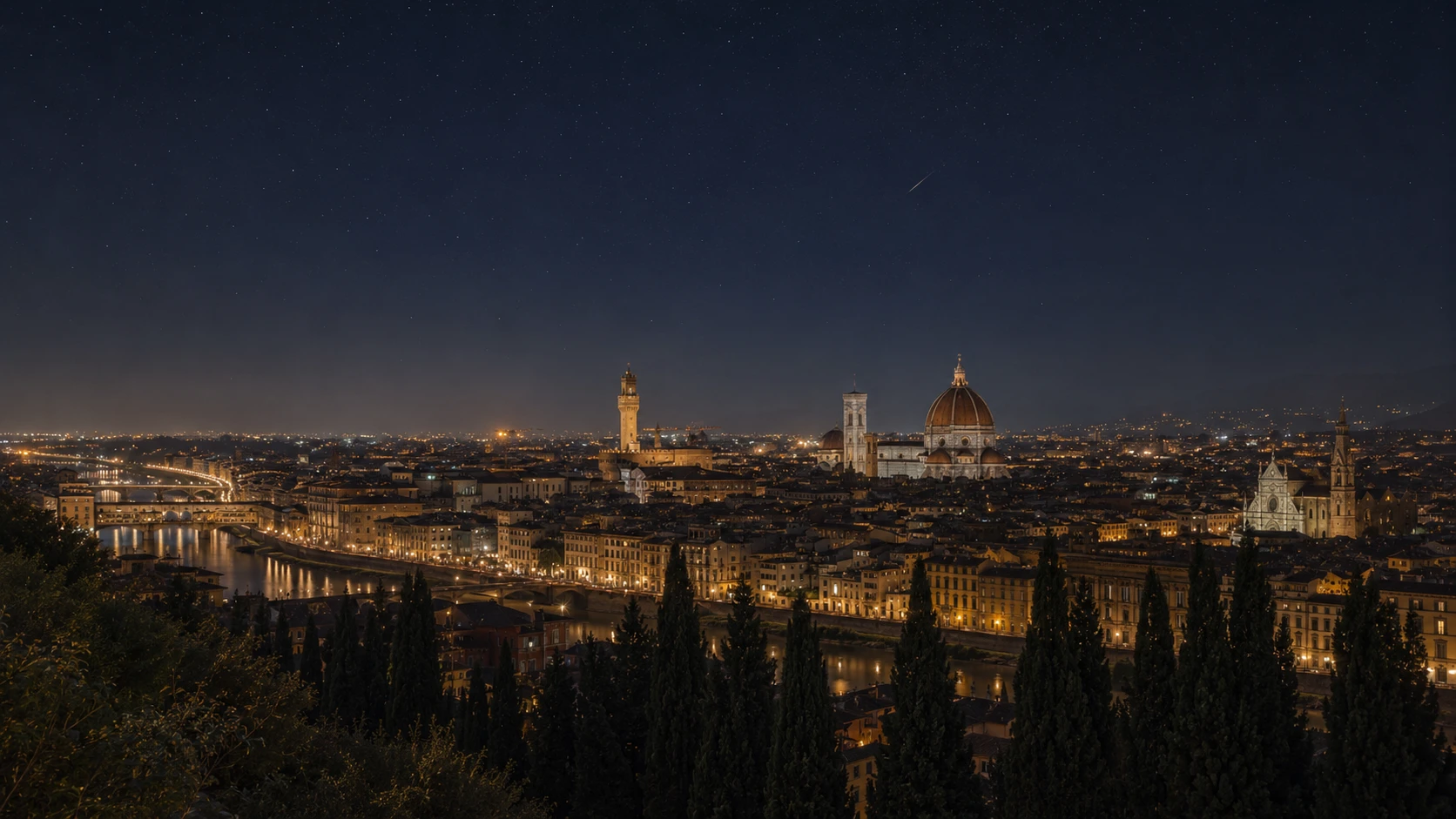
For those looking for an even more unusual viewpoint, the Bellosguardo Hill is a well-kept secret. The name says it all: "bel vedere" in ancient Italian means "beautiful view." A few hundred meters above the Oltrarno, among Renaissance villas that have hosted figures such as Ugo Foscolo and Giuseppe Garibaldi, there is a breathtaking view of Florence — without the crowds and souvenir stalls.
Another green corner not to be missed is the Giardino Torrigiani, the largest private garden within the historic city walls. Seven hectares of English-style greenery, with a neo-Gothic tower that hides a fascinating history linked to the Florentine Masonic tradition. Visits are by appointment only, which makes it even more exclusive.
Underground Florence and forgotten museums
Beneath the squares we all know lies another world. Under Palazzo Vecchio, you can visit the remains of the Roman theater of Florentia, a two-thousand-year journey into the past that few tourists know about. Among ancient foundations and medieval cells—the so-called "burelle"—you can discover the city before the city, the Roman and early Christian city that preceded the Renaissance.
Among the lesser-known museums, the Stibbert Museum, on the hill of Montughi, deserves a special mention. Created by the Anglo-Florentine collector Frederick Stibbert, it is an eccentric and surprising house-museum, with one of the largest collections of armor in the world and a romantic park that invites long walks. Another hidden gem is the Museo di San Marco, where Beato Angelico's frescoes in the cells of the Dominican friars create an almost mystical contemplative experience.
And for lovers of contemporary art, the Marino Marini Museum, housed in the former church of San Pancrazio, offers a fascinating contrast between sacred space and 20th-century sculpture—a place unlike any other museum in the city.
Experiences only Florentines know about
Want to experience Florence like a local? Here are our tips:
- The Sant'Ambrogio Market: head here. Fruit stalls, butchers, cheese shops, and the legendary Trattoria da Rocco, where Florentines still lunch on home-style dishes at fair prices.
- Via Toscanella and the street art of Oltrarno — A few steps from Piazza Pitti, this narrow street is an open-air museum of murals and street art. A Florence you don't expect.
- The artisan workshops of Via Maggio and Via Santo Spirito — For centuries, the Oltrarno has been the "home of artisans": goldsmiths, wood carvers, gilders, and restorers who still work with Renaissance techniques today.
-
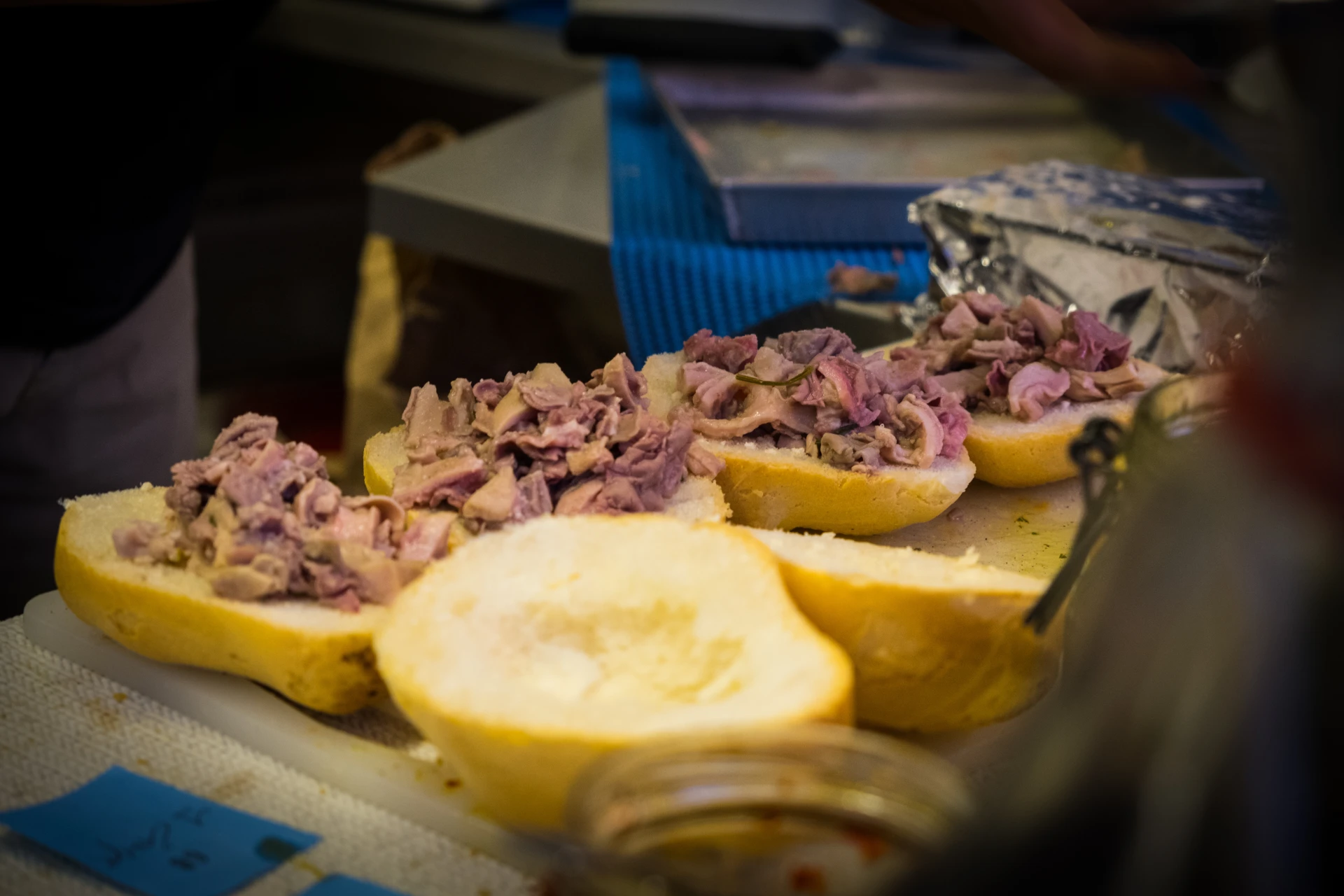
Lampredotto from a street cart — The real Florentine street food is the lampredotto sandwich. Look for one of the historic carts (the "trippai") and let the aroma guide you.
Here are the best places to eat lampredotto from a cart:
- L'Antico Trippaio (Piazza de' Cimatori) — One of the most famous. Sandwiches start at €5, open every day until 9:30 p.m. It's the classic Florentine cart.
- Trippaio del Porcellino - Nencioni (Piazza del Mercato Nuovo) — Another historic cart, next to the Loggia del Porcellino. Very popular with locals.
- Il Trippaio di Sant'Ambrogio (Piazza Ghiberti) — Located in the Sant'Ambrogio market, more authentic and less touristy, but beware: only open in the morning until 2 p.m.
- Il Trippaio di San Frediano (Piazza dei Nerli) — In Oltrarno, run by Simone and his sister. Excellent quality and neighborhood atmosphere.
- Panino Mondiale (Largo Fratelli Alinari) — Near the Santa Maria Novella station, convenient if you're passing through. Bonus: open until 2 a.m.!
The Vasari Corridor: a legendary route
We cannot talk about secret Florence without mentioning the Vasari Corridor, the elevated passageway that connects Palazzo Vecchio to Palazzo Pitti, passing over Ponte Vecchio. Commissioned by Cosimo I de' Medici and built by Giorgio Vasari in 1565, this extraordinary route, almost a kilometer long, crosses the Uffizi, runs alongside the Arno, and offers views of the city that no other vantage point can offer. Access is by reservation only and places are limited, which makes the experience even more special.
Your ideal starting point: Palazzo Castri 1874
All these places have one thing in common: they are easily accessible from the central location of Palazzo Castri 1874. Our boutique hotel, in the heart of Florence, is the perfect base camp for exploring both the great classics and the more hidden and authentic Florence.
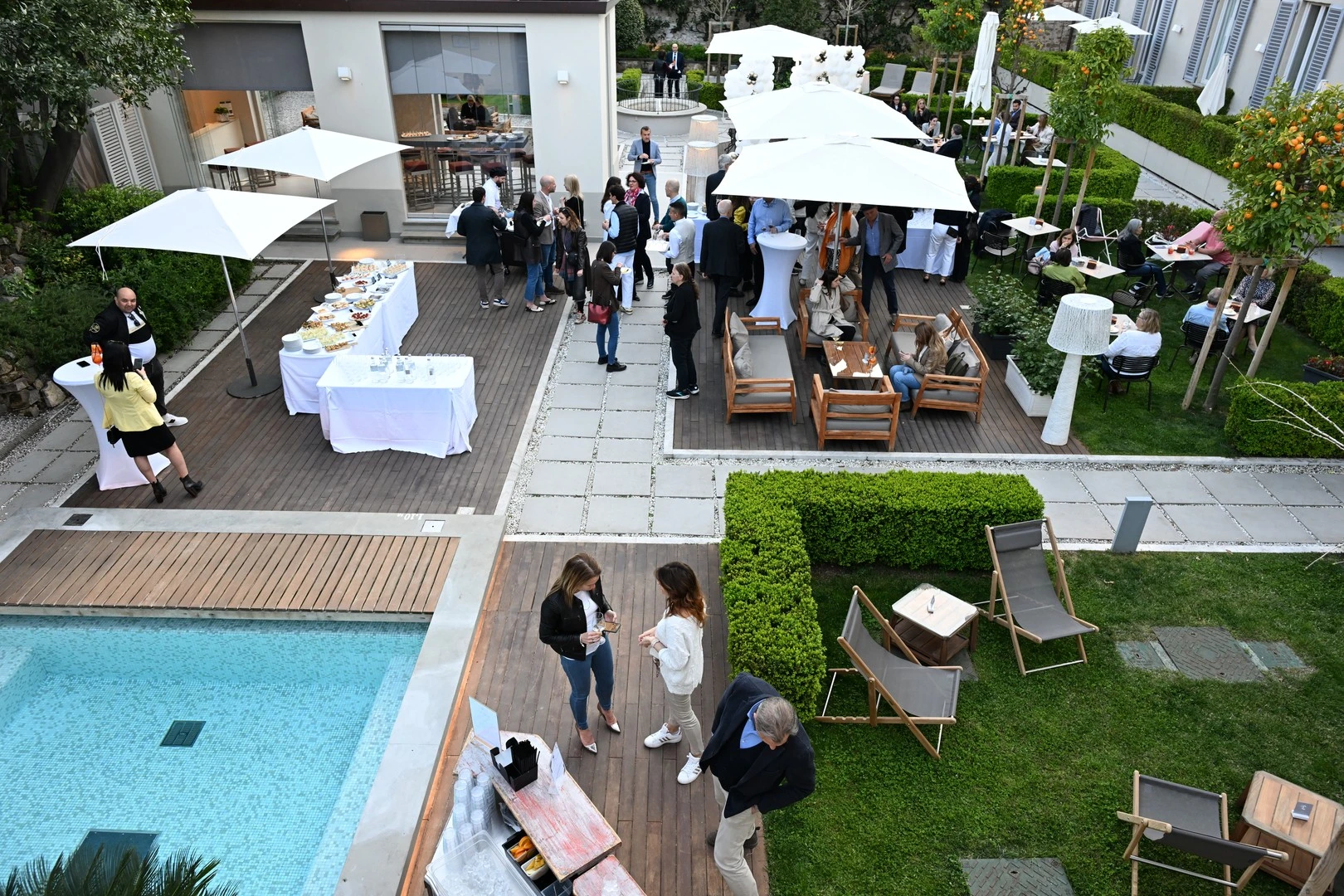
When you return from your walks off the beaten track, our elegant rooms and suites await you—some with views of the Duomo—as well as our spa to rejuvenate you after a day of discovery, and the Florentia Café where you can enjoy the flavors of our Italian cuisine. When the weather permits, our La Limonaia garden is the ideal place to end the day with a glass of wine, mentally retracing all the treasures you have discovered.
Florence always has something new to reveal, even to those who think they know it well. And we are here to help you find it. We look forward to welcoming you to Palazzo Castri 1874.