





20 August 2026
Florence
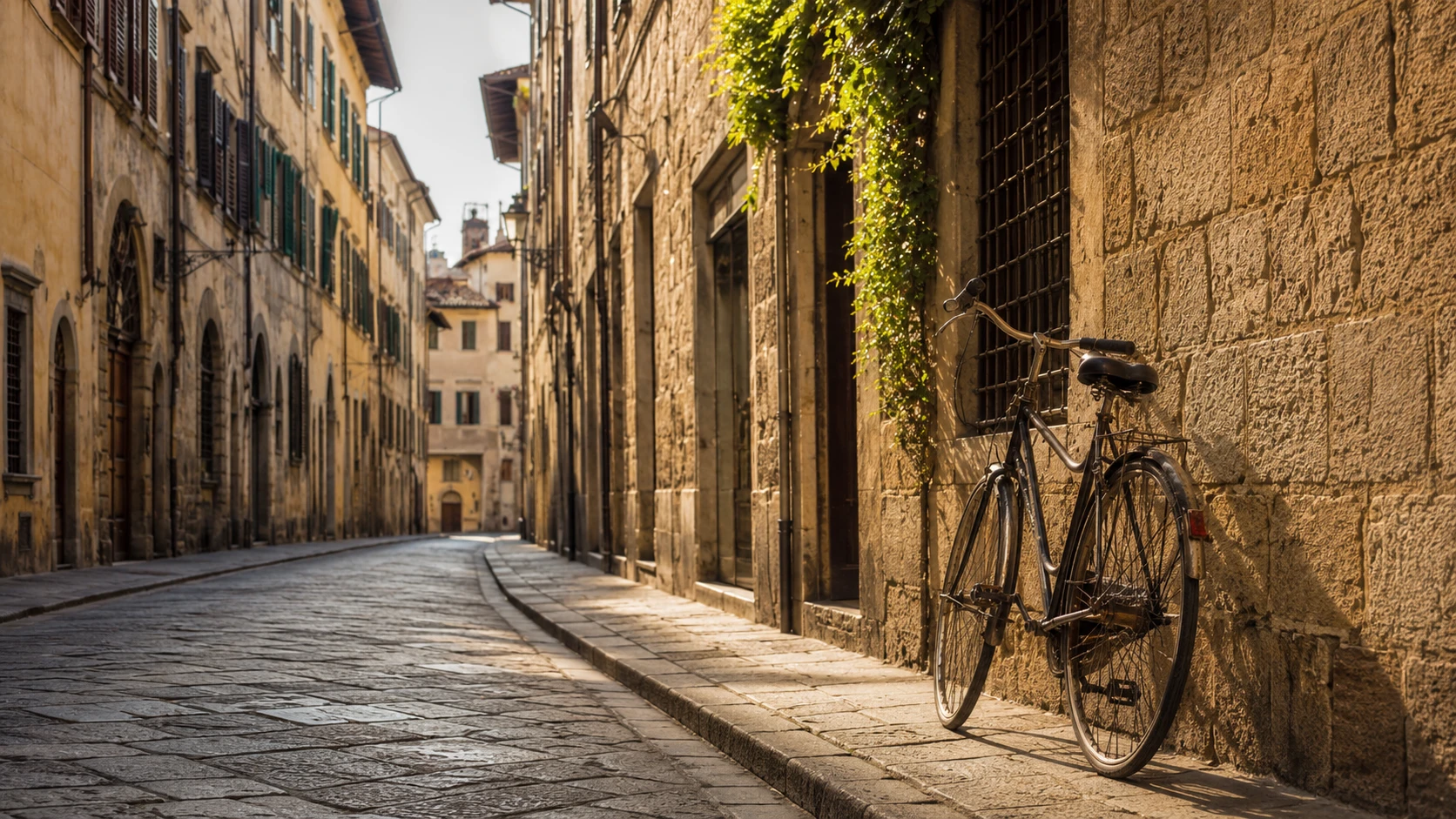
Imagine you are in Florence one day. It’s December, almost Christmas, and you’re walking in good company. The mood is one of excitement about the coming holidays, and the winter cold is offset by the warm party atmosphere, with its air of Christmas. You feel warmth spreading right through your body, as if you are breathing it in. In fact it smells like a warm, sugary aroma that awakens the senses and makes your mouth water. You look around and… hey presto, traditional Florentine cakes!
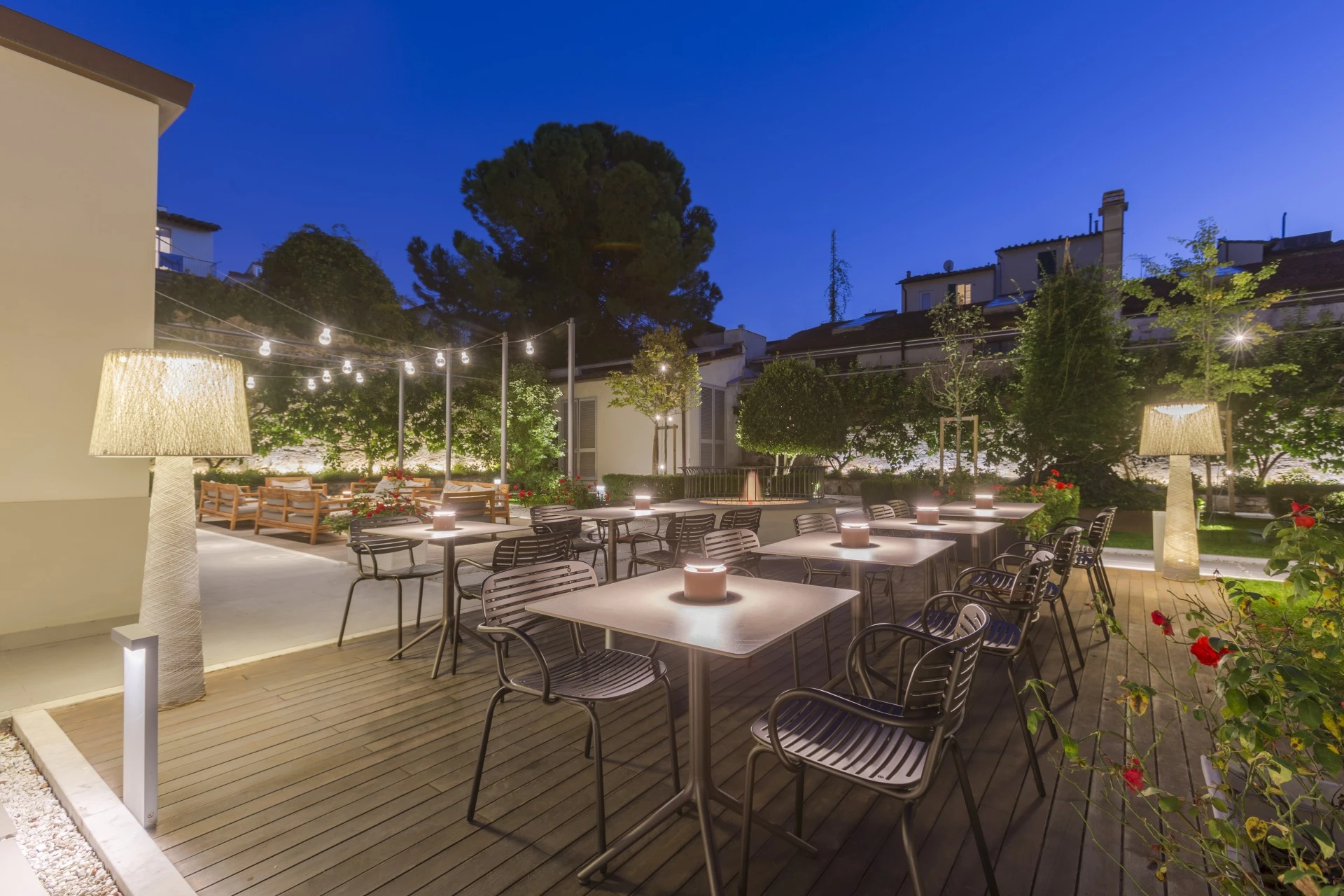
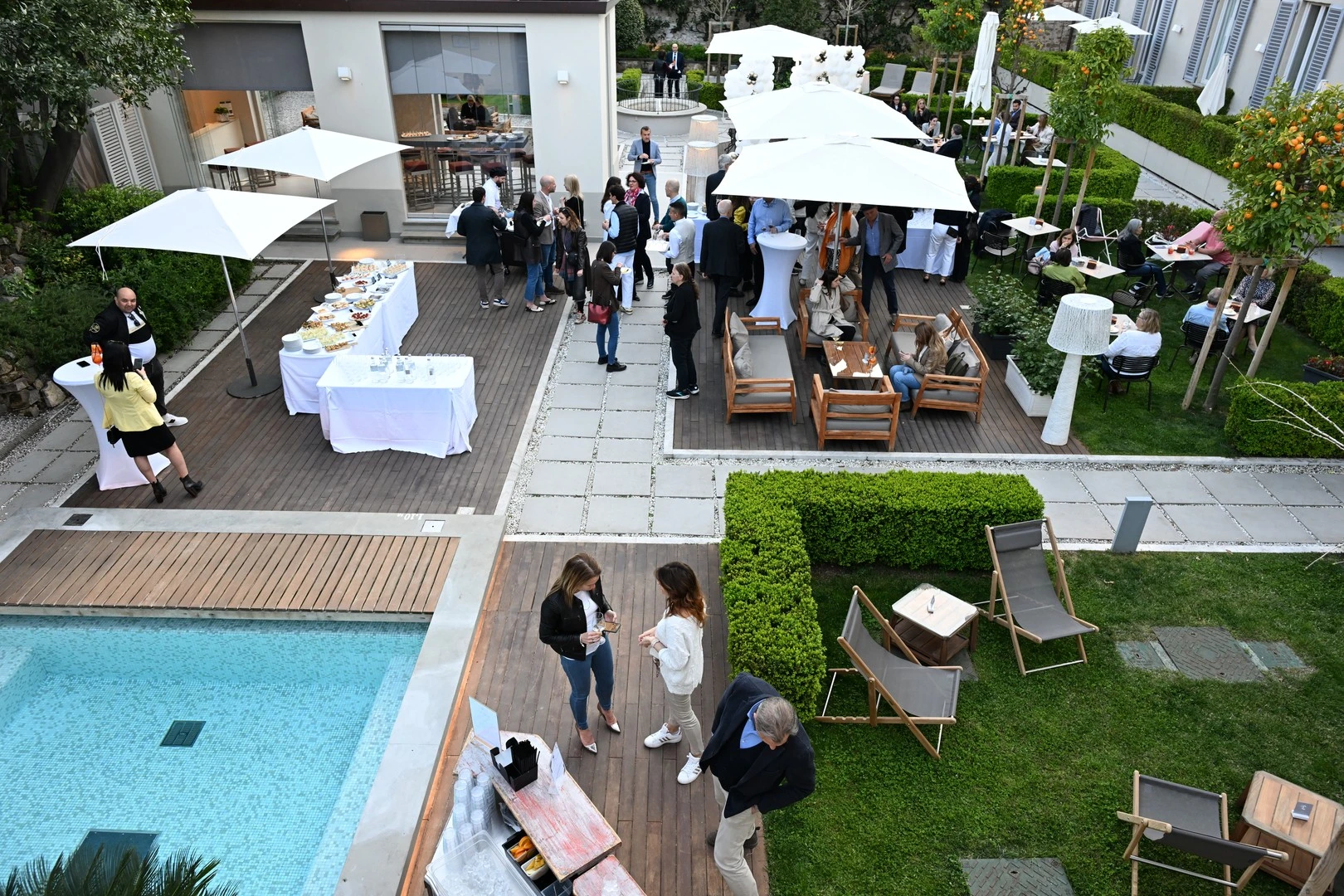
Each country has its own traditional cakes and pastries, and if the tradition of good cuisine is solid, like it is in Florence, cakes have their own special ritual moment. They certainly deserve a trip to Palazzo Castri 1874 for a holiday. Palazzo Castri is the perfect starting point in Central Florence for going on the hunt for delicious cakes and specialities, to be tasted immediately in these unique surroundings, or to be given to your dearest friends. Yes! The search for a gourmet Christmas sweet present that will be a surprise could be the excuse to give yourself a holiday in Florence!
Exploring sweet things and history
Ready for a sweet trip? We will start with the world-famous Tuscan Christmas specialities that taste so much more delicious when eaten in Florence! There are countless types of biscuits all over the world, but ricciarelli in almond flour or soft cavallucci biscuits filled with walnuts and candied peel or sophisticated panforte, you’ll only find those here. They are all Tuscan specialities that have remain unchanged over the centuries in their original Sienese recipes. All except panforte which has evolved in line with people’s taste as it has changed over the centuries. The original traditional recipe with melon, citrus fruits, almonds, plentiful spices and a sprinkling of black pepper on top, was changed when Queen Margherita (the one who the pizza was named after in Naples) visited Siena in 1879. To make the cake more refined, instead of the black pepper, a spice dealer suggested a version without melon, which gave the filling a sweet flavour, but to make sugar the first flavour you tastes, by covering the cake with vanilla-flavoured sugar. This “white” version was naturally named the Margherita panforte, and ultimately replaced the more old-fashioned version with black pepper.
Ladies and Gentlemen, the cake trolley!
We will now offer a brief overview of specialities with a simple recipe to give you an idea of their flavour
Schiacciata with grapes: bread dough, olive oil, sugar and black grapes, traditionally the canaiola variety (small grapes with lots of seeds). Seedless grapes are used in the modern version.
Ramerino bread: a small, sweet bun made from bread dough, raisins (zibibbo) and ramerino (rosemary). Often milk and eggs are added to the dough.
Zuccotto: an old-fashioned pastry with a base of ricotta, ground cocoa and candied citrus fruits covered in sponge cake topped with alchermes, which gives it its bright red colour. Many modern versions include cream.
Sweet Florentine Schiacciata: not to be confused with its savoury “relation” because it is different in origin. This is a soft cake made with very simple ingredients. The older version included beer yeast, was proved twice and included lard, today replaced with butter. Anyone can make it at home, flavouring it with orange peel and juice or a pinch of saffron. Many modern versions also add whipped cream or custard.
Castagnaccio, the VIP of cakes: perhaps the most famous Tuscan cake. Its main ingredient is chestnut flour, with walnuts, pine nuts, raisins and rosemary. The recipe dates back to the Tuscan Renaissance, but before that it had been based on an ancient peasant food tradition. For mountain dwellers it was a substitute for bread, and in fact was considered a complete meal, “poor man’s bread”. Nowadays it is sweet and eaten with cream or liquid chocolate.
Handcrafted products today like yesterday
Dulcis in fundo let us take a look at the traditional must-have cakes “the Pandoro and the Panettone” which, in Florence, you can taste and purchase in their handcrafted versions in the cake shops and bakeries that were the pride of the Renaissance lords for their quality and tradition.
If like us you have enjoyed just talking about cakes, book a holiday at Palazzo Castri. Our kitchens will be the starting-point for your journey among Florence’s sweet specialities, a way to bring Christmas closer and to wish everyone a happy sweet Christmas enjoying our services and our holiday packages.