






27 October 2026
Florence
There is a side of Florence that many travellers never get to know, because it only appears once the big crowds have gone. From November to February, holidays aside, the city turns the volume down: the queues outside the museums get shorter, the squares go back to the Florentines and the days take on a slower rhythm. From here, at Palazzo Castri 1874, we watch it change every year, and every year it strikes us as the best time to really get to know it.
This is not a "second-best" Florence. It is simply another Florence: more everyday, more approachable, at times more real.
Winter light and a city made for walking
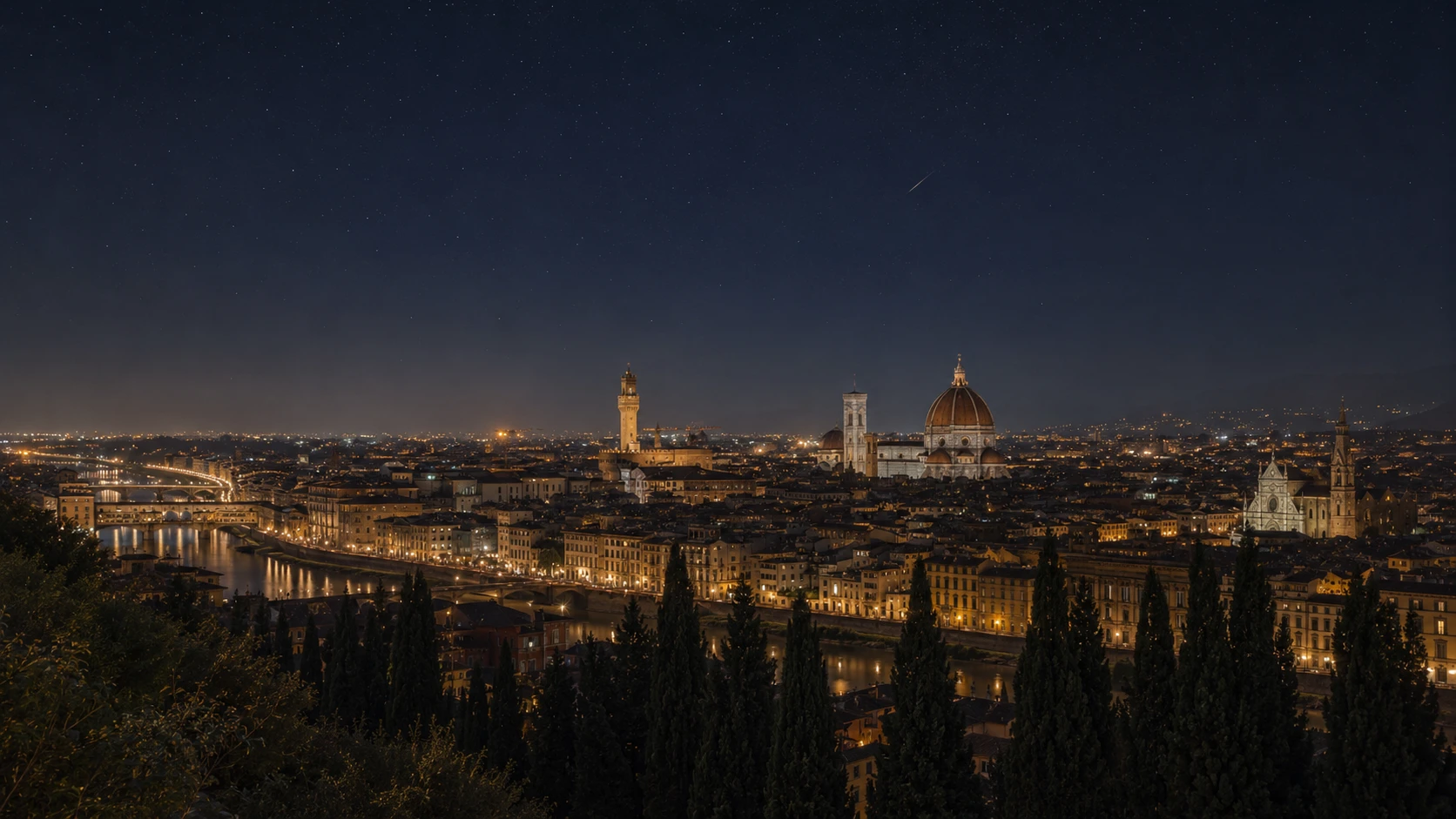
Anyone arriving at this time of year notices the light first. The sun sits low, the sky is often perfectly clear after the rain, and the stone of the buildings takes on warm tones that get lost in the summer glare. At sunset the Lungarni, the streets along the Arno, become the most beautiful place in the city, and from Piazzale Michelangelo or San Miniato al Monte the view opens up all the way to the hills, in a crisp air you won't find in July.
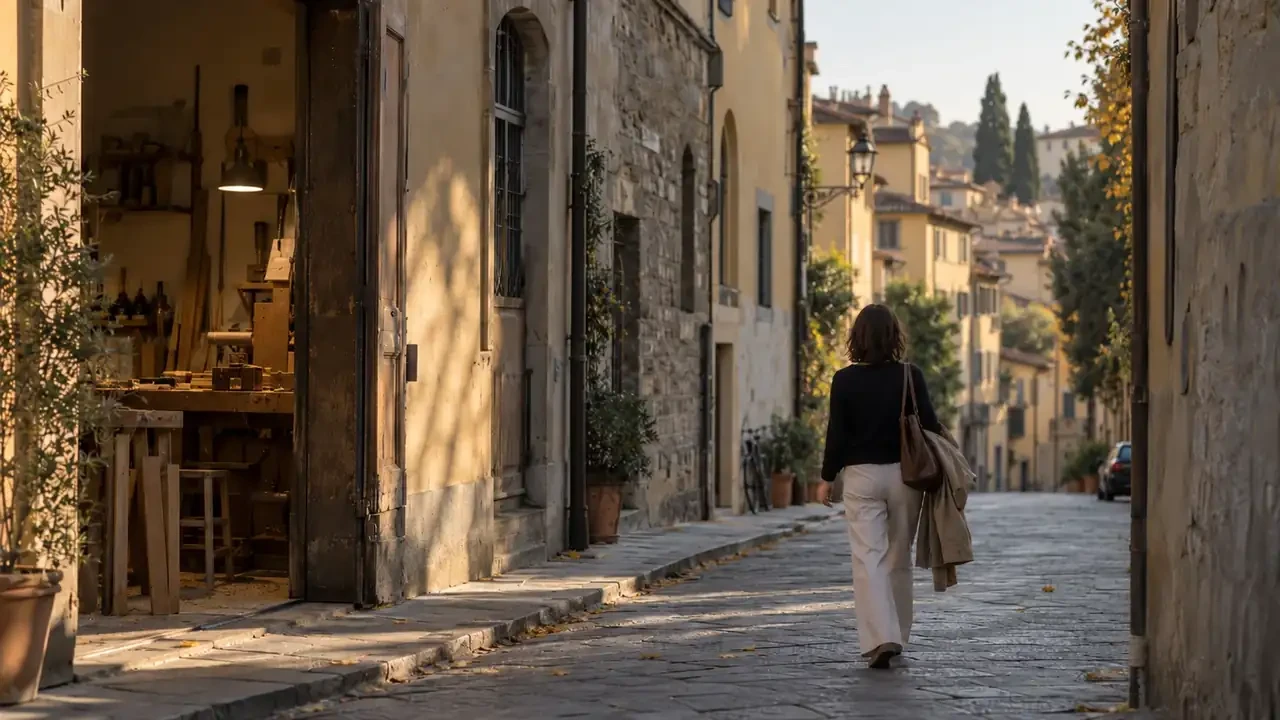
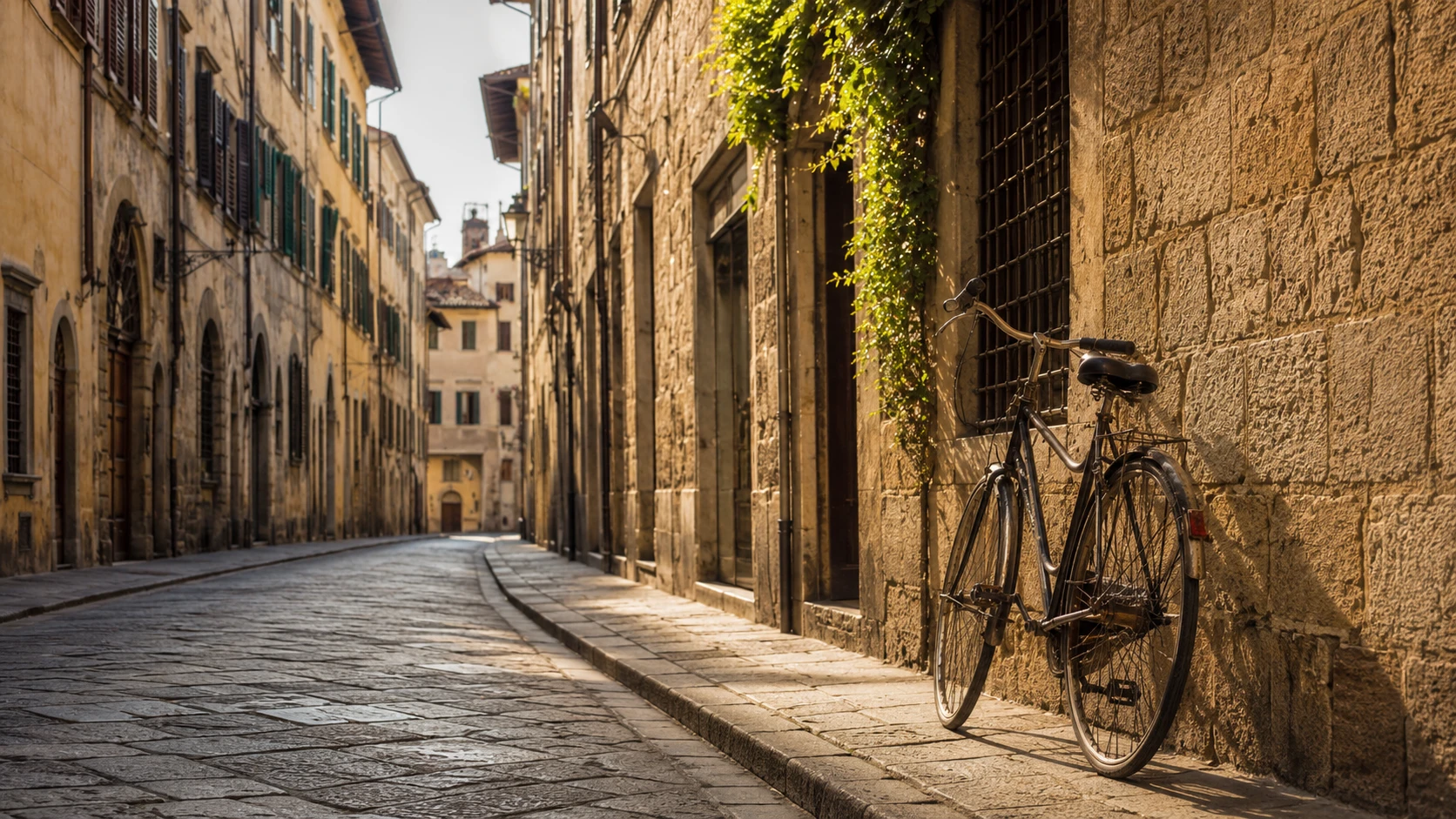
With cooler temperatures, Florence is also a better city for walking. You can cross the centre without hurrying, head over to the Oltrarno and lose yourself between Santo Spirito and San Frediano, discovering the artisan workshops that stay open all year round. If you are looking for ideas to leave the well-trodden paths, we have gathered a few in Florence beyond the classic itineraries.
Museums and masterpieces with more room around them
This is perhaps the most tangible advantage of the low season. The Uffizi, the Accademia and Palazzo Pitti remain among the most visited museums in the world, but in these months the experience changes: you can linger a few extra minutes in front of a work of art without feeling pushed along, and bookings are easier to find too.
A few practical tips:
- Book anyway, especially at weekends: the Uffizi Galleries let you choose your day and time slot in advance.
- Go early in the morning or late in the afternoon, when the rooms are quieter.
- Make time for the "smaller" museums: the Museum of San Marco, the Bargello or Palazzo Davanzati are at their best on grey days.
- Check the calendar of temporary exhibitions on the official Feel Florence portal: winter is often the season of the major shows.
A city that gathers around the table
Florentine cooking is at its best when it's cold outside. This is the season of ribollita, boiled meats and hearty bean soups, dishes made to warm you up and to keep you at the table for a long time. And it is the season of new olive oil: between late October and December the Tuscan olive mills work flat out, and the fettunta appears all over the city, toasted bread rubbed with a clove of garlic and topped with freshly pressed oil, green and peppery. Something simple, and something you just can't taste in summer.
To feel the pulse of the city, it is worth spending a morning at the Sant'Ambrogio Market, where Florentines do their shopping, or at the Mercato Centrale in San Lorenzo, just a few steps from us. And for those with a sweet tooth, winter brings the specialities of the festive season, which we told you about in our article on panforte Margherita.
Evenings: music, theatre and strolls
In winter, Florence's cultural life moves indoors, and it does so with a full calendar. The Teatro del Maggio Musicale Fiorentino offers opera, symphony concerts and ballet throughout the season, while historic venues such as the Teatro della Pergola round out the programme. Then there is the after-dinner stroll, with the streets of the centre quieter and the monuments lit up: Piazza della Signoria and the Duomo, in the evening and without the crowds, are a small privilege.
If your stay falls in November, you will find more seasonal ideas in The secret charm of November; if instead you arrive close to the holidays, Florence in December awaits you, with its lights and Christmas markets.
Why choose the low season
In short, travelling to Florence off-season means:
- shorter waits for museums, churches and monuments;
- a more direct relationship with the city and the people who live in it;
- seasonal cooking that only exists in these months;
- more time, for yourself and for the places you visit.
For many of our guests it is also the best way to come back: those who have already seen Florence in summer discover a different city, as we describe in The pleasure of returning to Florence.
Winter at Palazzo Castri 1874
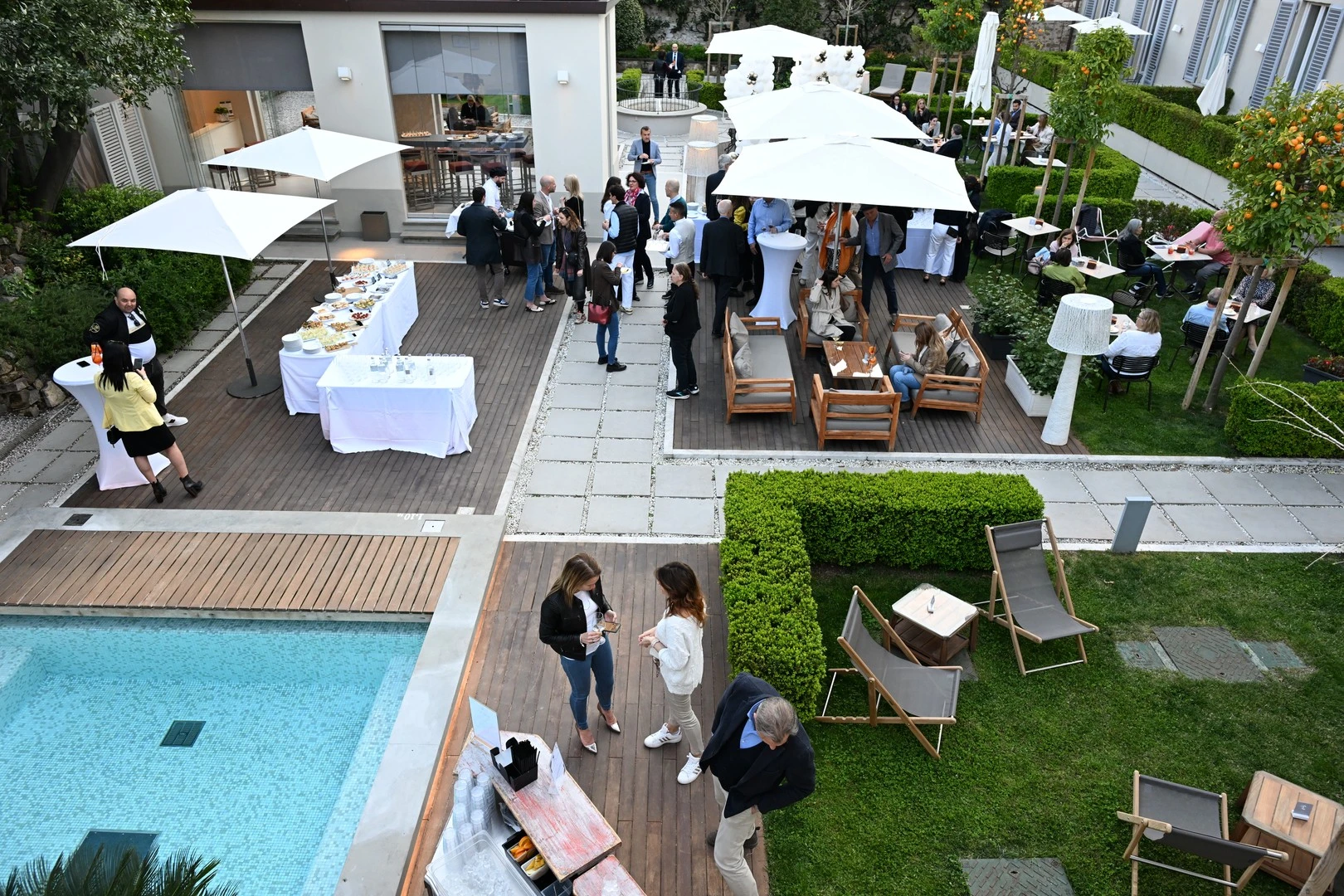
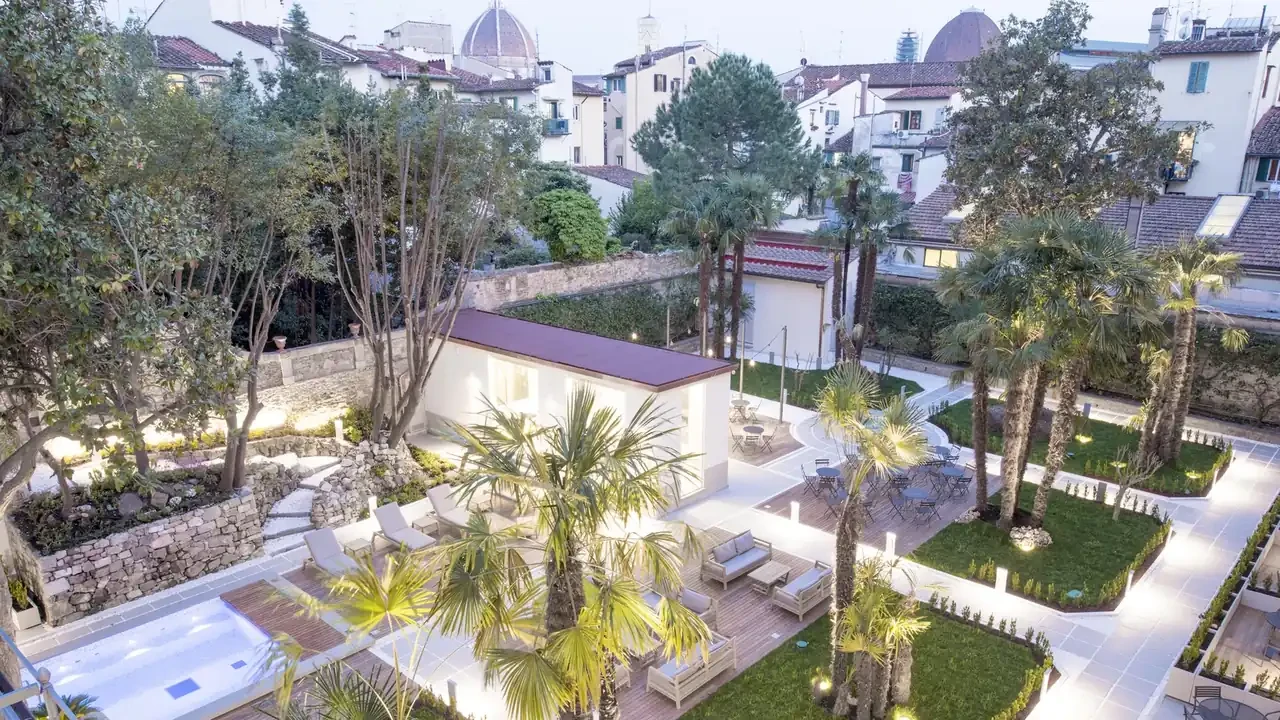
After a day of museums and narrow streets, coming back to a welcoming place makes all the difference. Our historic palazzo on Piazza dell'Indipendenza, a few minutes' walk from Santa Maria Novella station and the city centre, is designed to be a quiet retreat in the colder months too.
- Our rooms and suites combine the charm of the 19th-century building with today's comforts.
- The SPA is the right place to melt away the tiredness of the day, in the warmth.
- At the Florentia Café & Restaurant, from breakfast to after dinner, our menus will delight your palate.
- Our staff are on hand to recommend exhibitions, experiences and itineraries based on your interests.
If you are thinking about a longer stay, take a look at our offers, or write to us: we will be happy to help you plan your own off-season Florence.