





20 August 2026
Florence
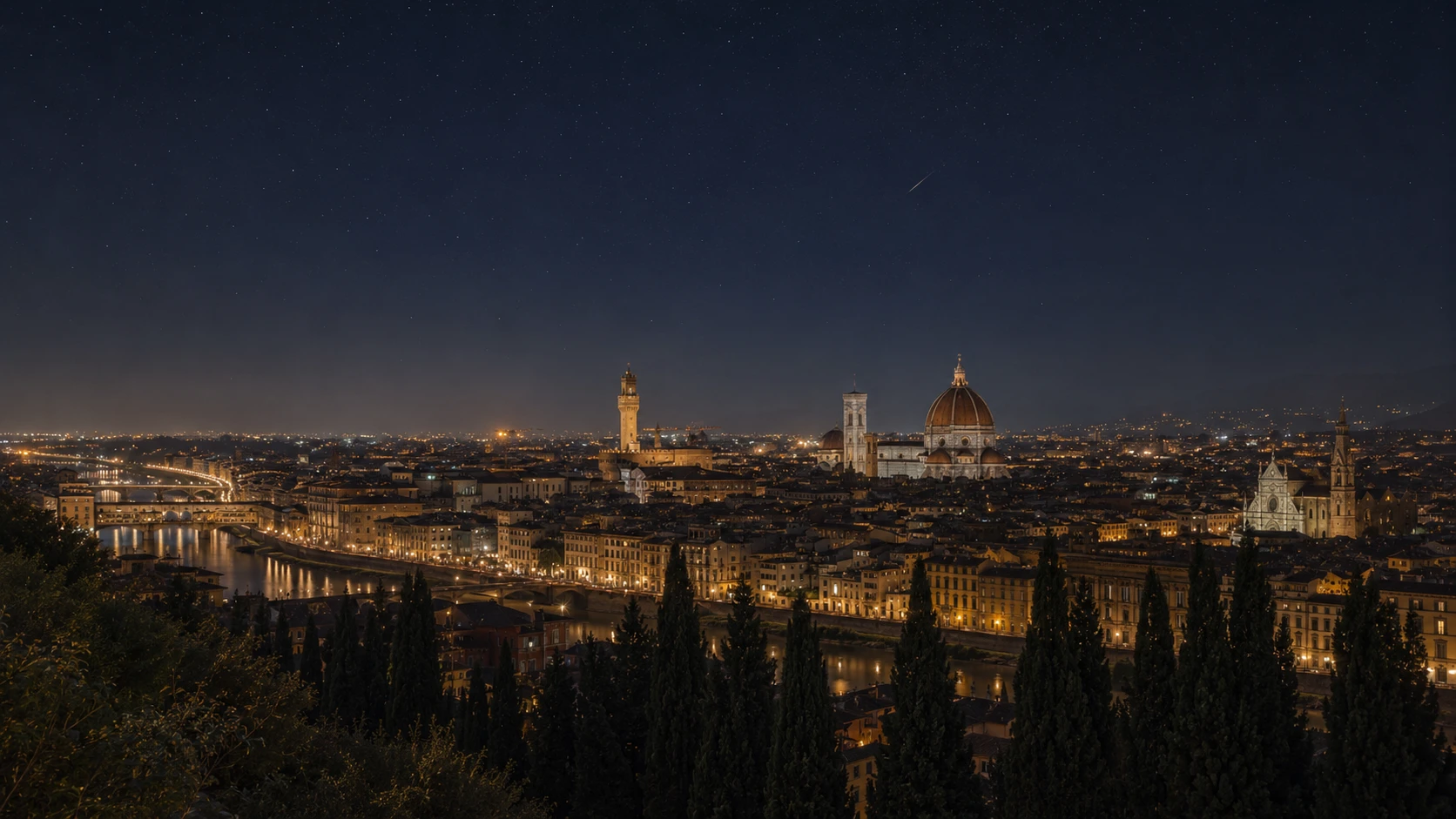
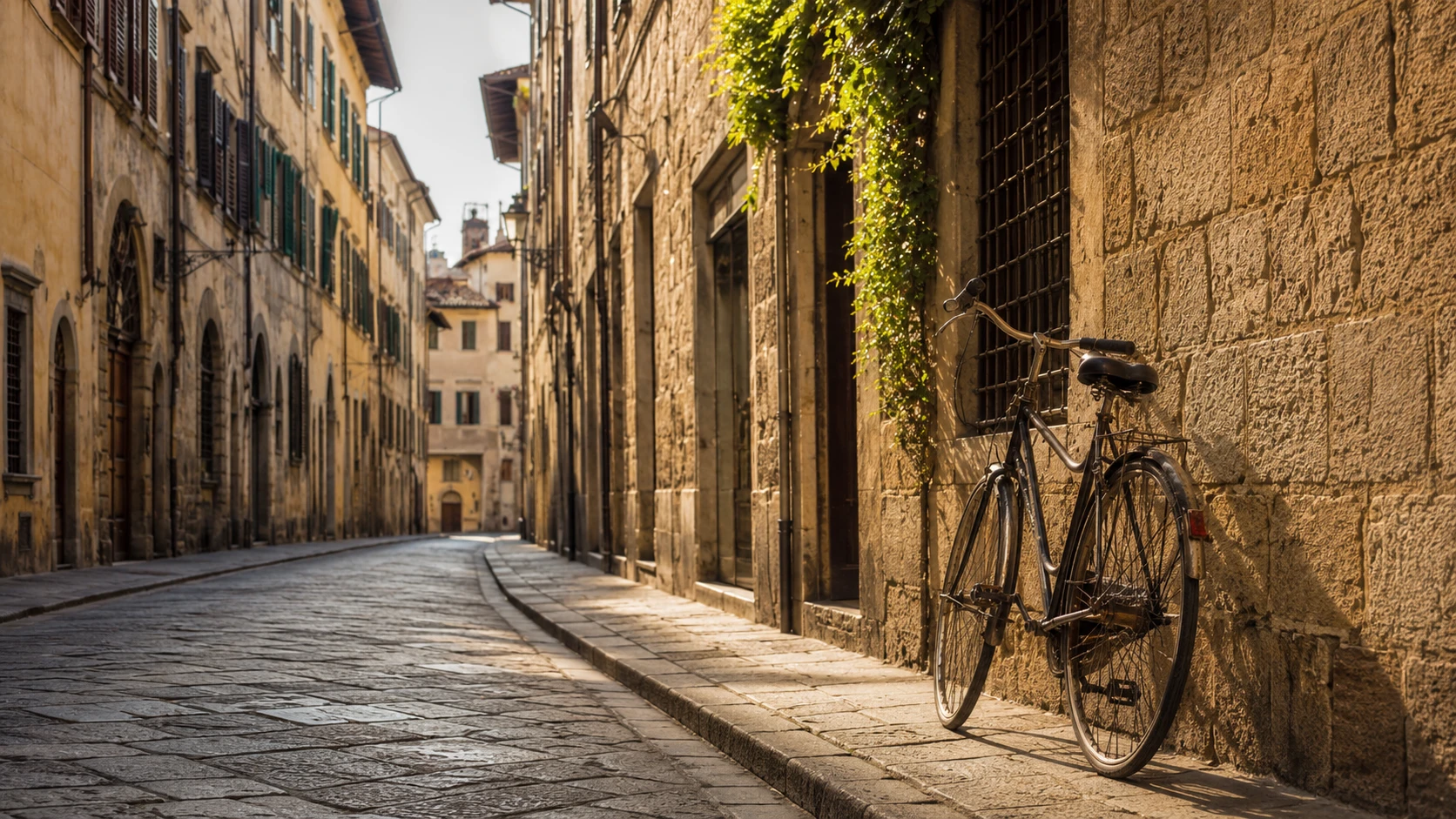
Florence was the capital of Italy for a short time, and for much longer it was a hub of 20th-century intellectual life. Let us take a tour of the places, the salons and the coffee shops that can take us back to the periods of the Risorgimento and the Belle Époque. Let us imagine drinking coffee at a table with Papini, Soffici, Palazzeschi, Gadda, Pratolini and Montale.
“On 3 February 1865 King Victor Emmanuel entered the city by train, arriving at the Maria Antonia Station. The capital will need to be transformed to house the many offices and rival the other capitals of Paris, London and Vienna. In this fervour of urban transformation taking place worldwide, with a rapidly growing population, civil life is changing, with theatres, play parks and coffee shops gradually replacing the taverns. The new chocolate and coffee drinks have been around for a century, but in Florence the explosion of public services that has taken place in cities like Milan and Venice began in the mid-19th century and has continued to the present day.”
Cit. Mónica Vazquez Astorga
Are we dressed appropriately, can we carry ourselves properly to enter Florence and the coffee shops of the Florentine Belle Époque? If so, try and imagine yourselves catapulted into another century, to the places frequented by the great intellectuals of the 20th century as they plotted and chatted, arguing as only intellectuals and artists can.
LET’S BEGIN… A FEW YEARS AGO, WHEN IT WAS ANOTHER CENTURY!
Leaving the Boboli Gardens, after a pleasant walk and a panoramic view of Florence in the autumn, we pass in front of Palazzo Pitti into Piazza San Felice and the Caffè Bianchi, which was established in 1920 as a tobacconist and grocery store – at the time known as a “colonial” store, selling products from the African colonies – with a small wine and pastries shop annex behind which a small coffee shop was added. The square and surrounding area were redolent with the aroma of freshly ground coffee. Shall we try and guess which table Gadda and Montale sat at in that café?
Around the Piazza della Repubblica we find the coffee shops that sprang up during the period of redevelopment that revolutionised the layout of the city of Florence Capital of Italy from 1865 to 1871, making it more modern and open to the passage of the political bourgeoisie. All these coffee shops have survived, reinventing themselves from their original roles as 20th-century cultural meeting places. It is not easy to choose between the cafés lining the square, so I suggest you have a “taster” of each. Papini, Soffici, Palazzeschi, Gadda, Gatto, Pratolini, Vittorini and Montale are just some of the intellectuals who spent their time in conversation in these places, and it will be fun to see what traces they left behind them.
FROM COFFEE SHOP TO NATIONAL MONUMENT
The coffee shop at no. 6 Piazza della Repubblica was originally the Centrale café, set up in 1846. In 1904 the Paskowski family turned it into an alehouse, and in 1991 it was declared a National Monument. Not so much for the quality of the beer, but for its regulars, who in the early decades of the 20th century included hermetic poets and writers working for a variety of cultural journals. It is now the Caffè Concerto Paszkowski run by chef Barbaglini. Moving on we come to the Caffè Le Giubbe Rosse (“Redjackets Café”) established in 1897 as an alehouse and named after the members of the German community who wore red jackets and were regulars there. The international atmosphere and journals available to read made it a dynamic place where important ideas were discussed. If you would like to enjoy a well-preserved historical café, the Caffè Gilli opened in 1733 but its glory years were during the Belle Époque, and in fact it looks as though it has been frozen in time since then. It is considered the only original example of a Belle-Epoque coffee shop.
SWEET DRINKS AT SUNSET
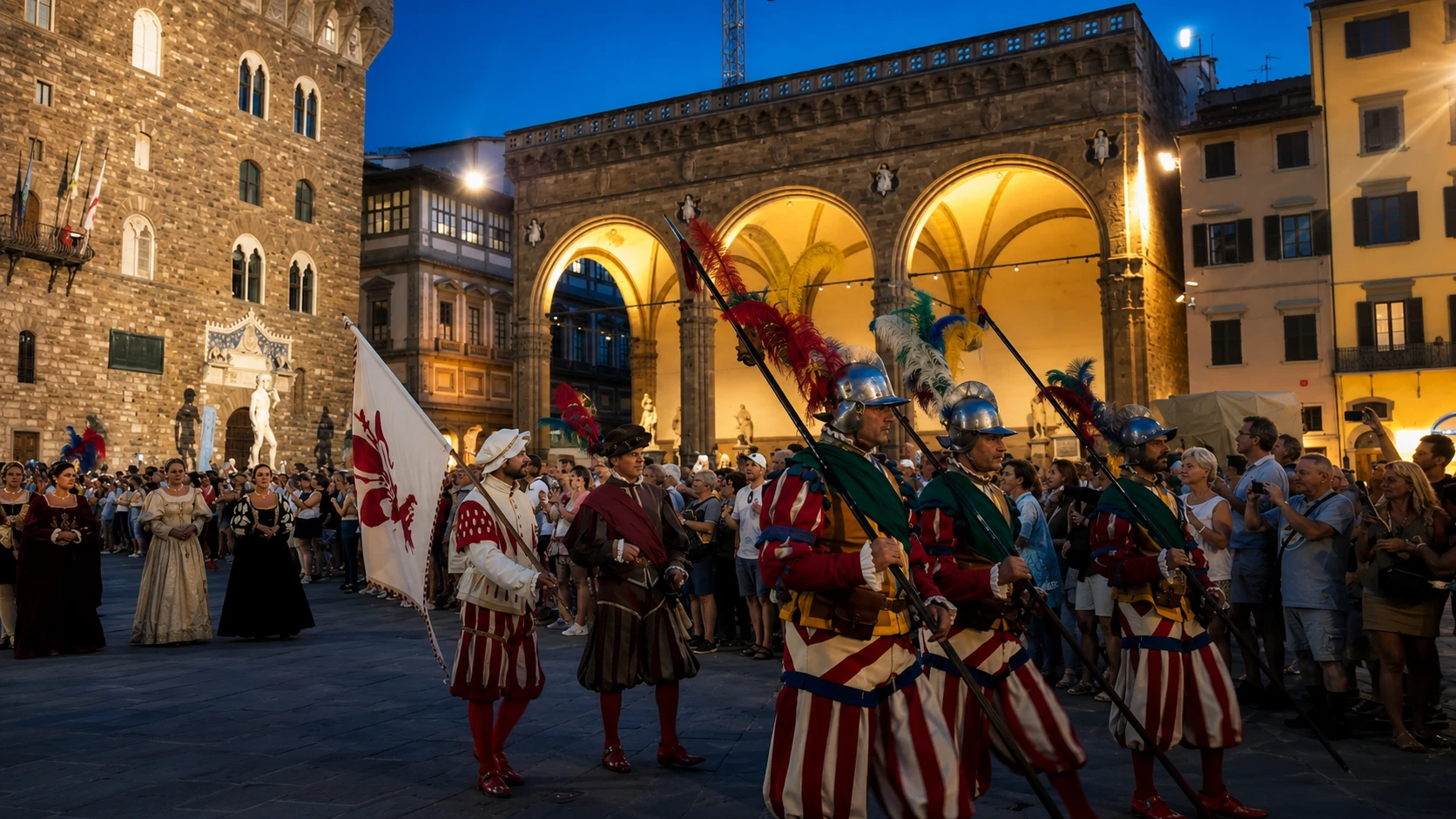
Do you want to taste some delicious chocolate and be like the first Florentines discovering the delights of “a cup of hot chocolate”? In 1872 the master chocolatier from Turin Enrico Rivoire, supplier to the Savoy Royal Household, opened his “chocolate factory” in the beautiful Piazza della Signoria, where he made the typical traditional Savoy chocolates. So, take yourselves into the fabulous Piazza della Signoria at sunset, sit at a table and order a sweet or bitter hot chocolate. You will be the centrepiece of a spectacularly romantic sunset. Imagine there are oil lamps at the sides of the square instead of streetlamps and you can imagine being back in a time when ideas mixed and mingled with the aroma of coffee and the foam of cool beer.