






20 August 2026
Florence
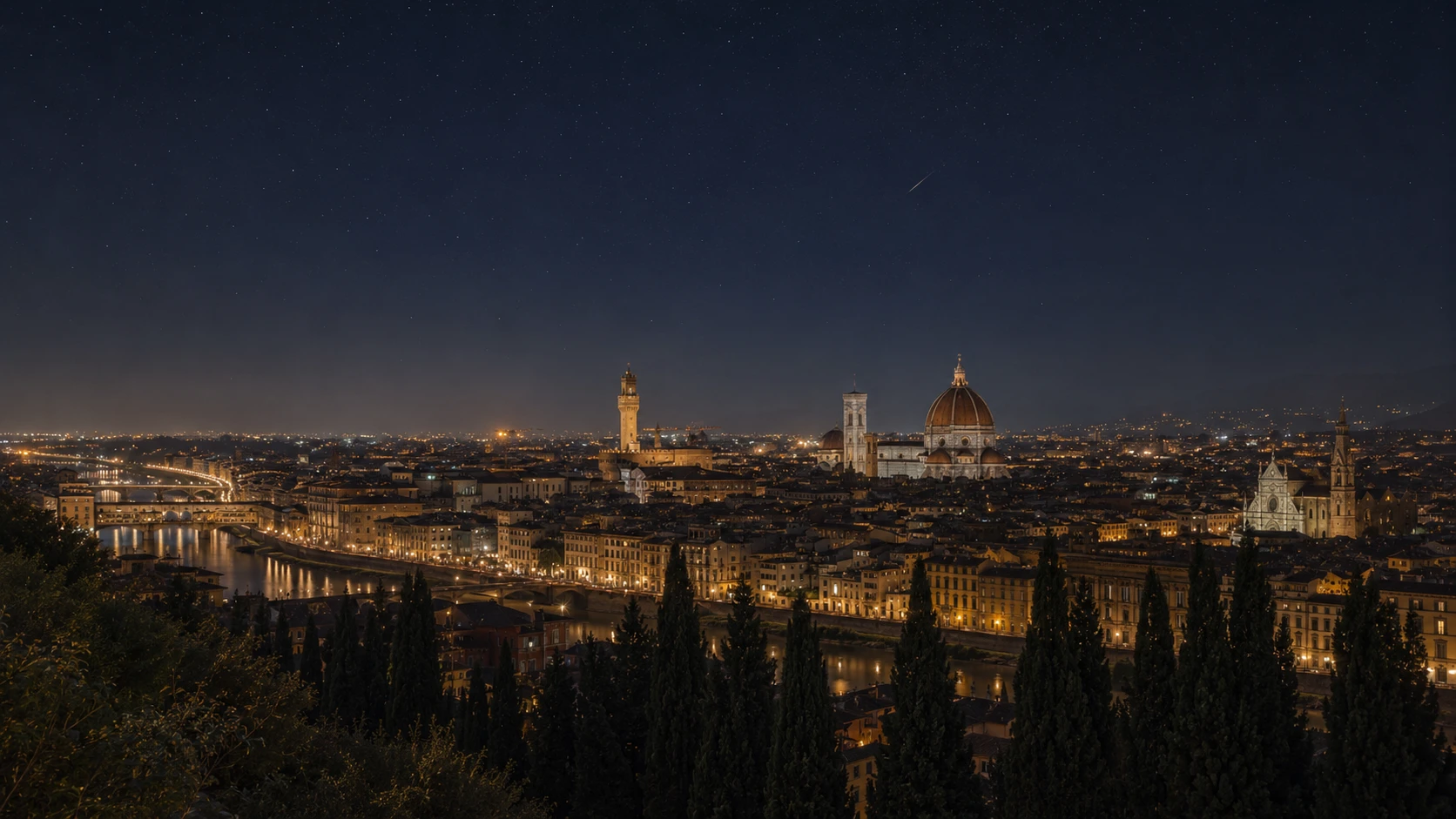
Walking through the center of Florence one winter morning means coming across some of the most important monuments and works of Italian Art History; it means having the privilege of being able to visit calmly and without bedlam some of the Museums and exhibition halls that represent the excellence of the national cultural heritage, taking home a sip of wonder and a picture of the Arno River, with the glorious Ponte Vecchio elegantly marking the boundary between the Centro Storico and the Oltrarno and embodying the symbol of timeless and priceless beauty.
Speaking of the two "banks" of the river--which in turn mark two colorful, and different, souls of the city--it is worth mentioning in this article why to delve deeper into both areas of the city, so as to know secrets and nuances of the majestic cradle of the Renaissance.
Florence's historic center: History, and tradition, as far as the eye can see
From the majestic church of Santa Maria Novella, just a few steps from the main train station of the same name, walk along Via de' Cerretani to the superb Piazza Duomo in a few minutes. Brunelleschi's dome, Giotto's bell tower and the Baptistery of San Giovanni will, in sequence, mark the excited rhythm of your breath by the magic of the green and pink colors set with the blue of the sky.
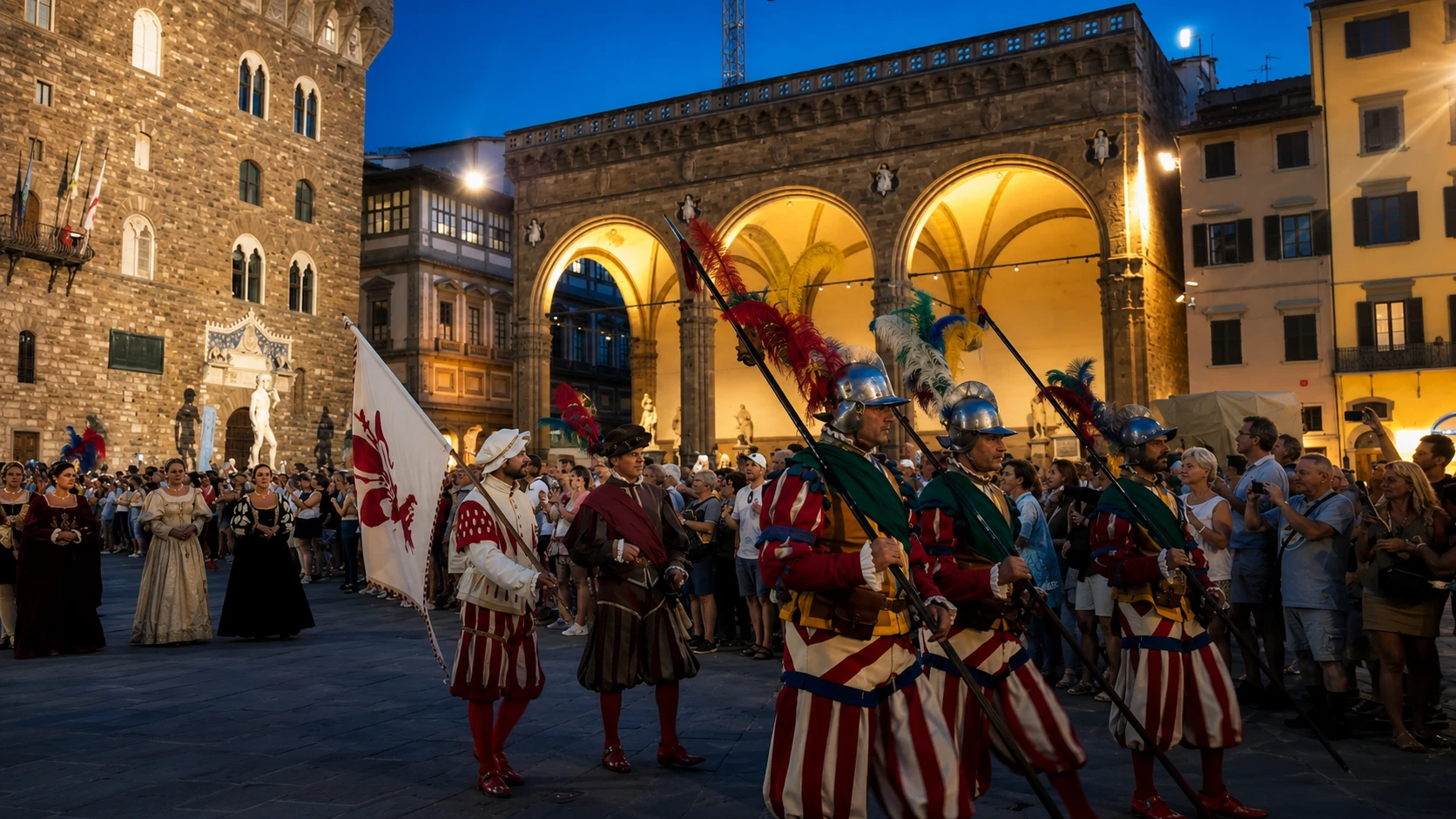
When you then arrive in front of Palazzo Vecchio, in Piazza della Signoria, you will have the feeling of being for a moment in a distant and collected era, as powerful as the Uffizi Gallery itself, which still holds relics and masterpieces of international renown.
And then again the Bargello Museum, the Basilica of Santa Croce, the Medici Chapels and the Church of San Lorenzo: Florence's historic center teems with priceless treasures that can be visited on foot, taking the time to discover details, stories and information necessary to reconstruct the genesis of a city that has given birth to poets, artists and sculptors of every age.
News fresh from the last few hours: ELLE magazine has named Florence the most beautiful city in Europe.
Diladdarno: the Florentine d.o.c.
But it is especially by pushing into the area of the Boboli Gardens, into Piazza Pitti and even up to the neighborhoods of Santo Spirito and San Frediano, that you can get to the beating heart of Florentine life, the Oltrarno (for locals, absolutely, diladdarno, the left bank of the river).
Craftsmen's and antique stores, small fruit and vegetable stores, delightful places to sample noodles and glasses of wine overlooking the greenery of a downtown square: the Oltrarno is the temple of elegance that contaminates itself with the modernity of the times, it is a place that in the evening lights up among the rhymes and thoughts of young writers, poets, filmmakers and photographers.
The Oltrarno-in recent years also rated absolute "place to be" by some of the world's most influential travel magazines including Lonely Planet-is an area of Florence that will win you over with its authenticity and spontaneity.
If the Historic Center, in fact, has had to suffer in spite of itself a few more compromises with the great tourist flows of recent years, the left bank of Florence's heart has been able to proudly claim its purity, continuing to serve as the perfect mix of international students, elderly Florentines going out to shop at the market, different languages and accents, bright colors, and kids playing serenely in the squares.
Don't miss the opportunity to enjoy such a spectacle!