






20 August 2026
Florence
When it comes to planning a travel itinerary in Florence, it is not easy to try to identify which monument -among hundreds of alternatives - deserves a priority visit.
However, we have tried to map out some good hypotheses, in the hope that they may be of support to all our guests interested in catching a glimpse of the best of Florence's beauty.
Bargello Museum
Although it is less well-known than Florence's most famous museum structures, the Bargello Museum is a real treat for the eyes: dedicated to sculpture, it contains a very rich collection of Renaissance statues, second to none globally. It will therefore be possible to admire works by Michelangelo, Cellini, Donatello, Ammanati and many other important sculptors.
The Bargello National Museum is housed in the former Palazzo del Podestà in Florence, which, by a royal decree on June 22nd, 1865, became Italy's first national museum dedicated to the arts of the Middle Ages and Renaissance.
From that same year, some of the most important Renaissance sculptures were brought to the palace, including masterpieces by Donatello, Luca della Robbia, Verrocchio, Michelangelo, and Cellini, largely from the Medici-Granducale collection. The museum was later enriched with superb examples of bronzes, majolica, waxes, enamels, medals, ivories, tapestries, seals and textiles, also partly from the Medici collections, suppressed monasteries and private collections.
You can book the museum tour and buy the tickets on the Bargello Museum website.
Davanzati Palace Museum
The Museum of Palazzo Davanzati, also known as the Museum of the Ancient Florentine House, is located in the historic building of the same name in Florence, via Porta Rossa 9.
The ground floor, which today is accessed through large arched doors, was formerly an open space (loggia) for commercial use. These types of spaces were typical of 14th-century Florentine palaces and can be linked to the city's strong merchant population. The loggia was used for storage or business while the family lived on the upper floor. In this case we have two tower houses where the upper floor was dedicated to the kitchen and servants.
On the first floor above ground, the 'piano nobile,' the entrance hall was used for business. In correspondence with the three openings in the loggia, there are three holes in the ground that can be discovered by opening trap doors. These allowed the owner to control who entered and, in case of unwanted people, to drop heavy objects on their heads.
The third floor hosted the kitchens, as it was the most convenient for dispersing the heat of cooking, as well as in case of fire. There is an interesting display of practical objects of daily life, such as spinning tools and cooking pots. The servants' quarters were also located here.
The entrance ticket and tour can be booked on the Davanzati Museum website.
Villa Bardini
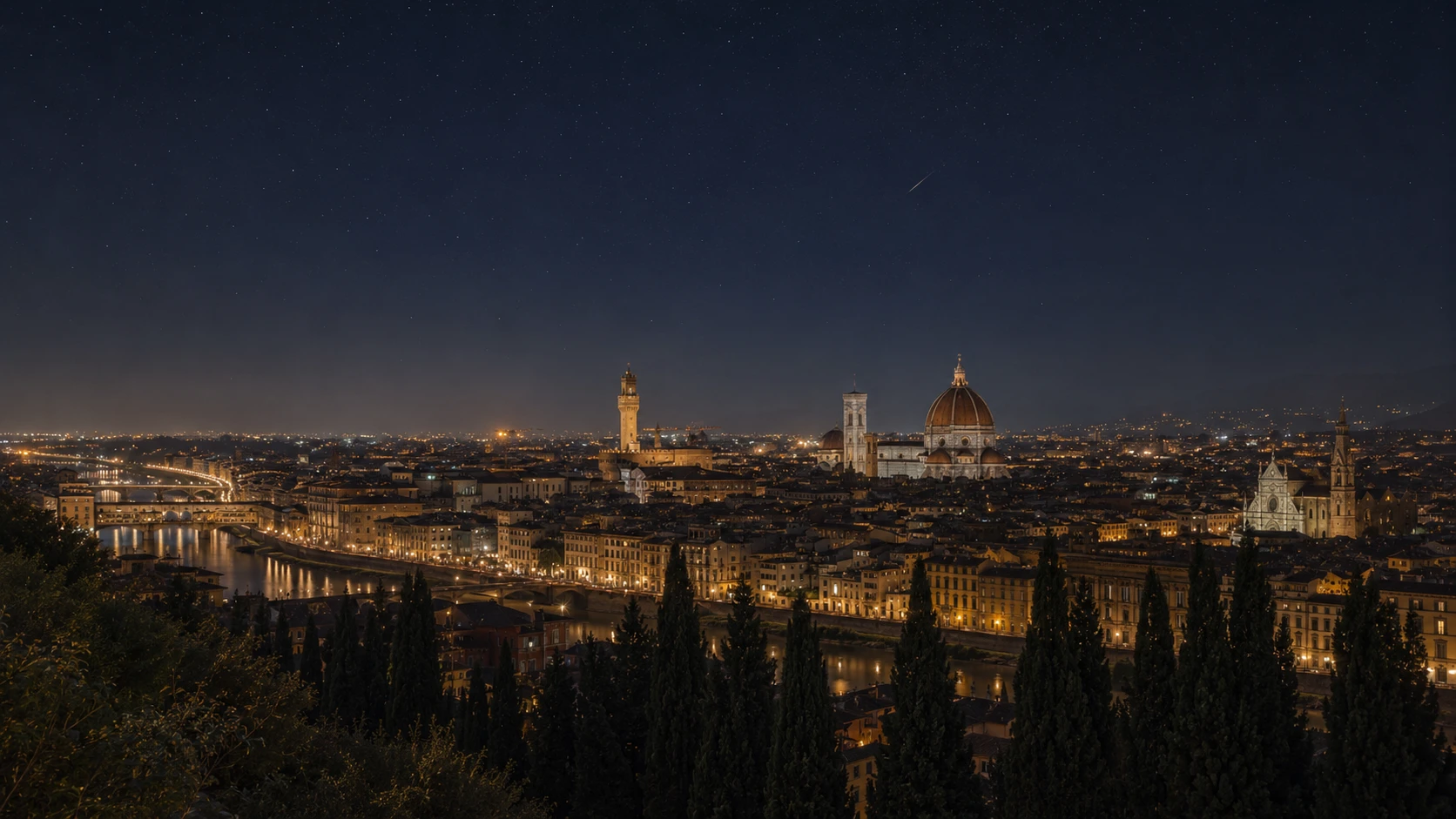
Villa Bardini is a building located on Costa San Giorgio 2 in Florence and is now an exhibition center that hosts many temporary exhibitions. Its wonderful garden can be visited with the same ticket that can be purchased to visit the Boboli Gardens. From this area you can enjoy a breath-taking and unforgettable view of the entire city.
The history of its garden begins in the Middle Ages, when the Mozzi family owned land and several houses on the hill in the 13th century. Due to financial problems, the city of Florence became the owner of the land until part of the property returned to the Mozzi's hands in the late 17th century. The eastern part of the property belonged at that time to Giovan Francesco Manadori, who built Villa Manadora (later called Villa Bardini), already famous for the spectacular view it offered of the city. In the early 19th century, the various gardens were combined, as the Mozzis also purchased the eastern part from the then-owner Luigi Le Blanc, who had planted an English-Chinese-style forest.
In 1913 the entire estate was purchased by antiquarian Stefano Bardini. His son Ugo was the last private owner of the property, and after his death in 1965, the long bureaucratic process of inheritance began, which would last until 1996.
Today the villa and its park are owned by the Italian State, and thanks to this it was possible to restore the monumental villa and gardens after decades of decay and restore them to their former glory. In 2006 the complex was opened to the public, and in the following two years the villa's two museums, a restaurant and an exhibition space for contemporary art were inaugurated.
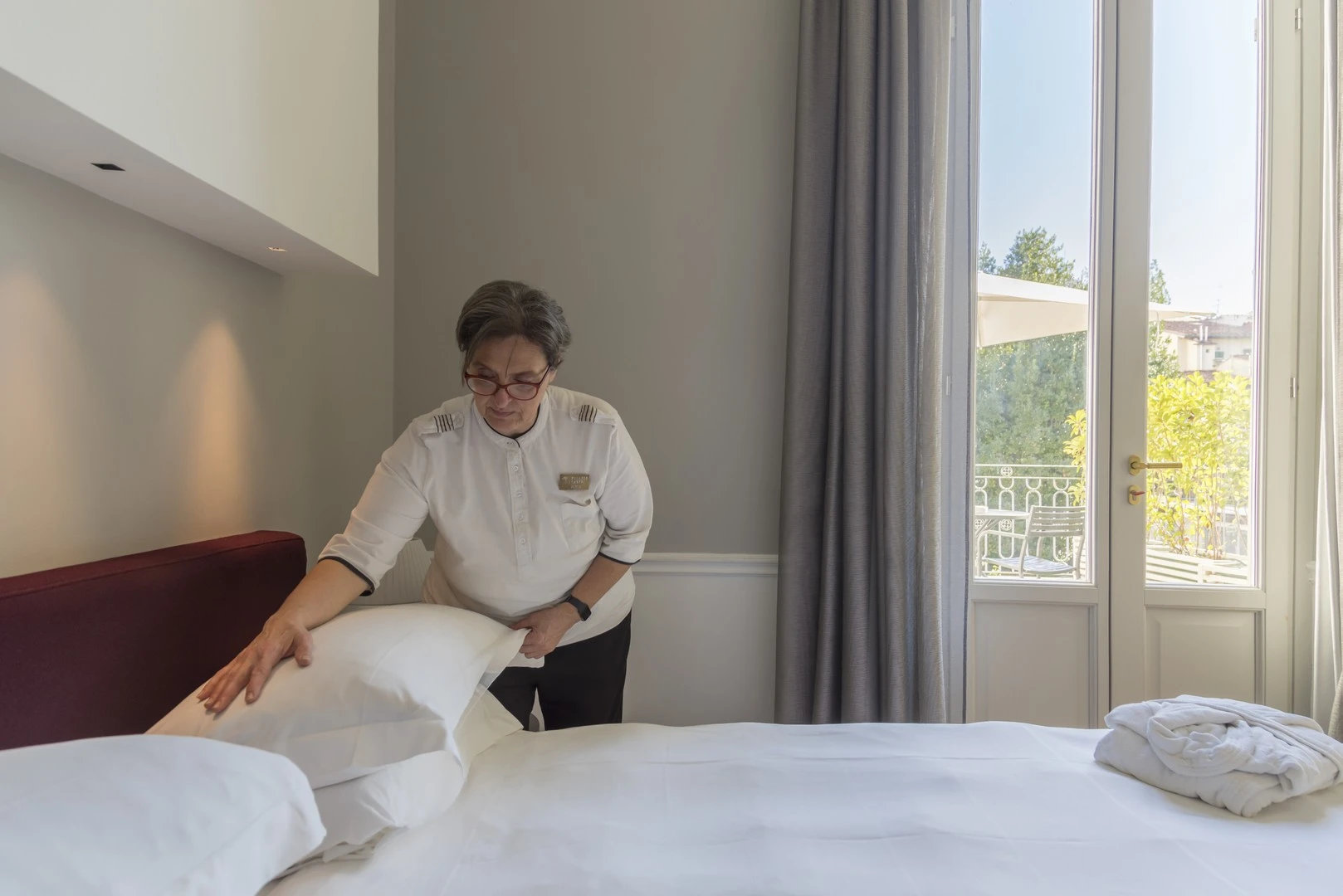
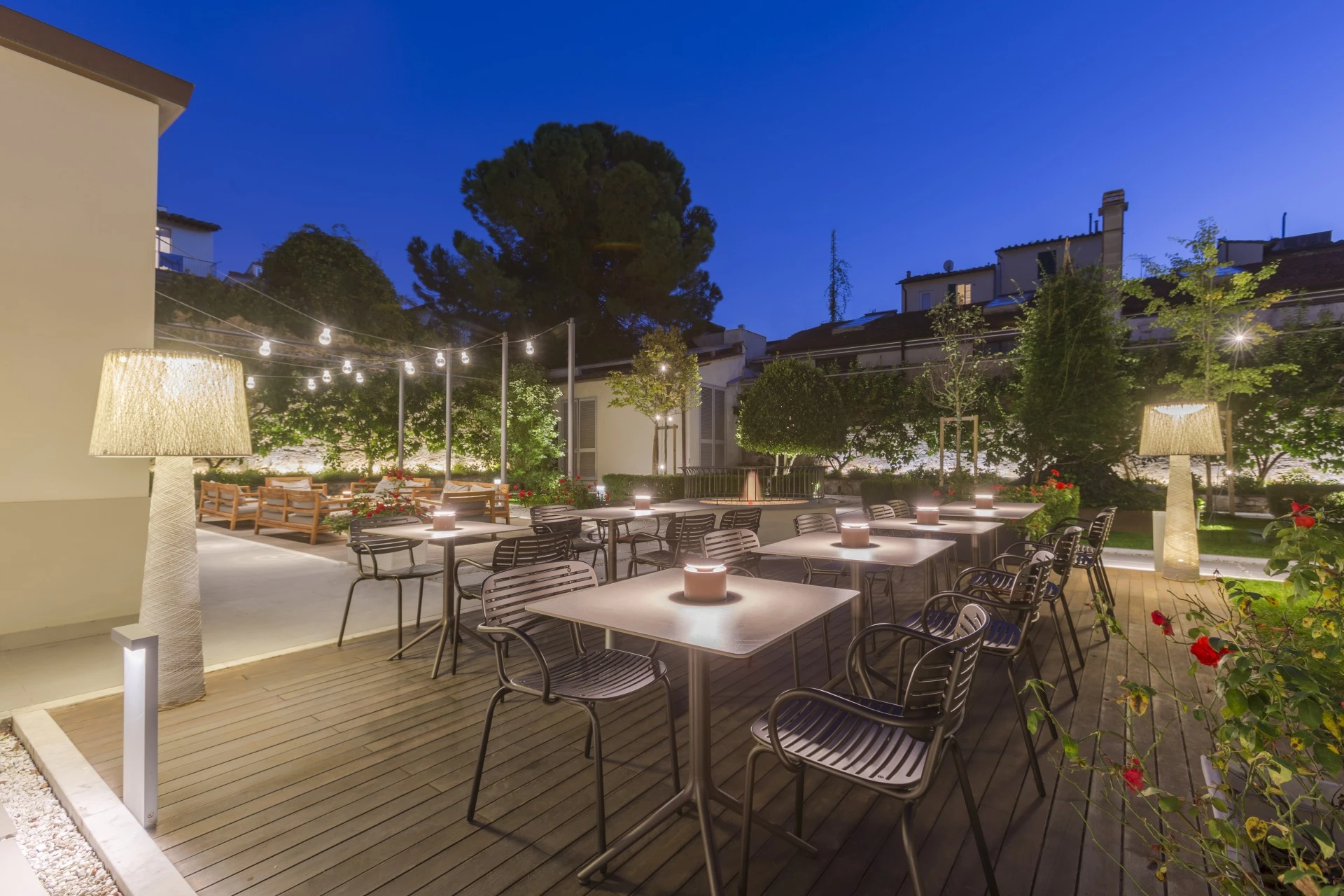
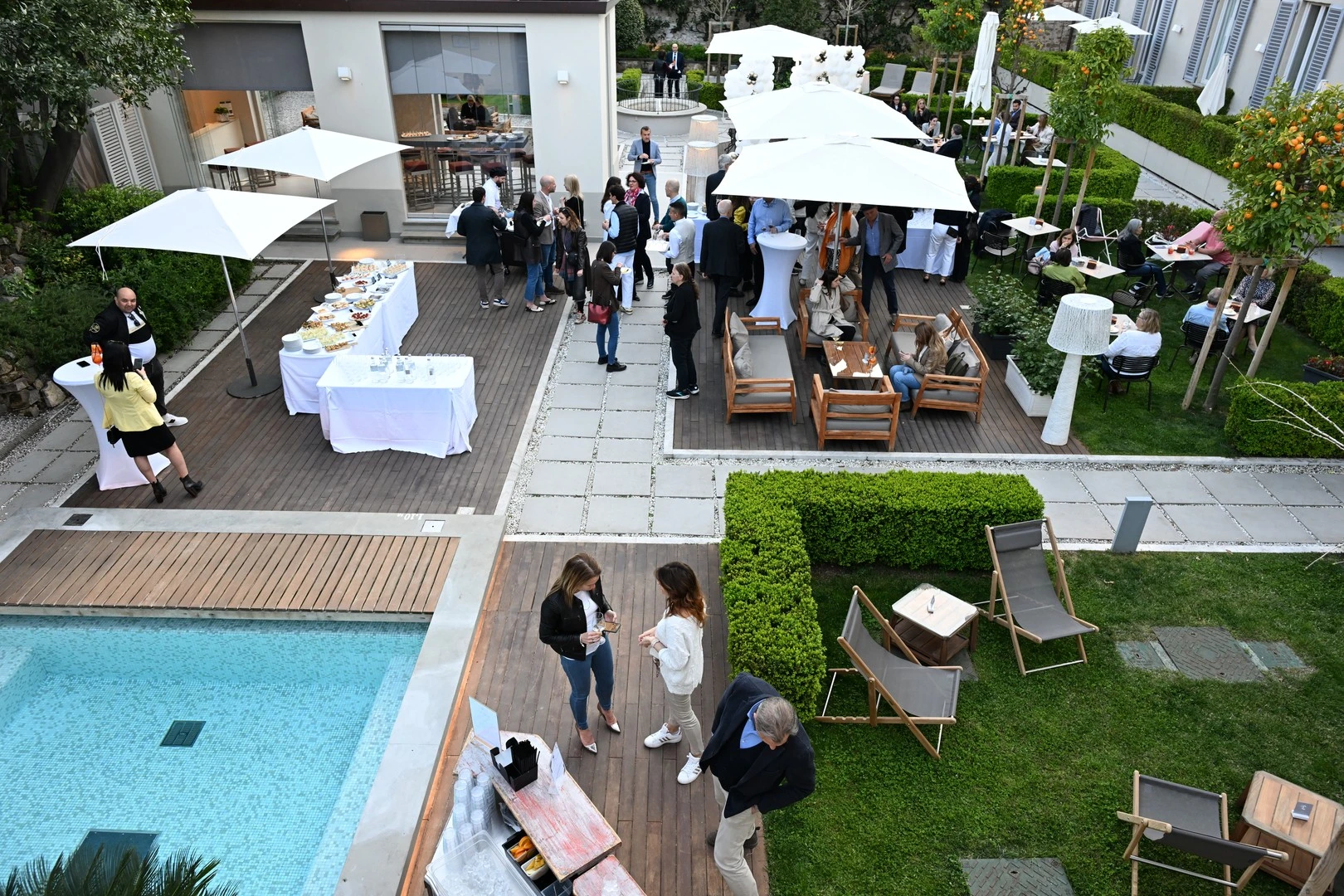
And what about the end of this itinerary? Nothing better than relaxing at Palazzo Castri 1874: our staff will take care of all of guests' needs, accompanying them in the best experiences that our boutique hotel can offer, from the wellness treatments at the Spa to some relaxation in the La Limonaia garden, to staying overnight in one of our rooms, with attention to every detail.